


2026 Virtual Day of Learning: Teaching and Learning About Genocide
June 22, 2026
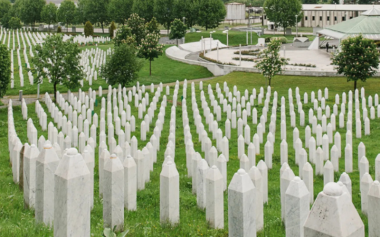
11:00-11:55 am: Hatred Has a Final Destination: From the Bosnian Genocide to a Prevention Roadmap for American Educators
1:00-1:55 pm: An Introduction to Transitional Justice for the Secondary Classroom
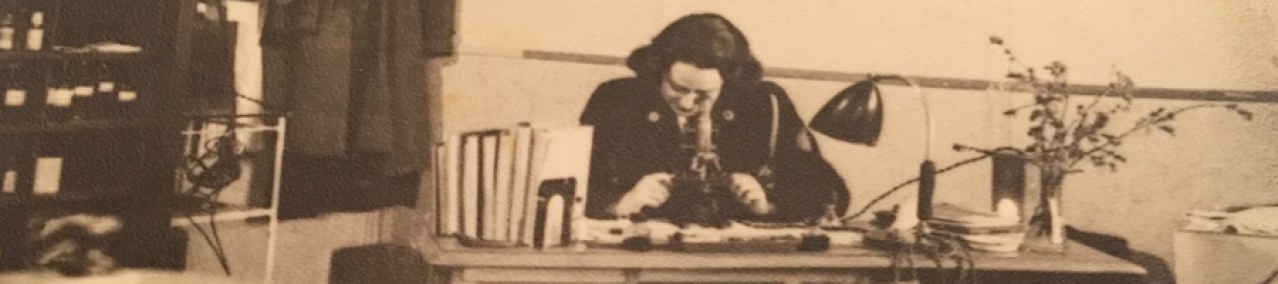
2026 Powell Advanced Summer Fellowship: Women's Voices and Local Histories: Reframing the Holocaust
August 4-7, 2026 | At the Henry and Sandra Friedman Holocaust Center for Humanity, Seattle
The Holocaust Center for Humanity offers an intensive 4-day advanced summer fellowship designed for teachers of grades 6-12 who have been actively teaching the Holocaust and/or other genocides and human rights for more than three years.
Accommodations will be provided. | The Fellowship is limited to 20 participants. | Teachers in the Pacific Northwest states are given first priority. | 30 Washington State Clock Hours available
The 2026 Powell Summer Fellowship will offer educators the opportunity to engage with the history of the Holocaust from a female perspective as well as consider the intersection between the history of the Holocaust and local histories.
The seminar will focus on providing Washington state Holocaust educators with advanced scholarship, the most current teacher resources, and an opportunity for collaboration and discussion.
Requirements:
- Eligible teachers will currently be teaching grades 6-12 in a classroom.
- Eligible teachers must have at least three years of experience teaching the Holocaust and/or other genocides and human rights.
- Beyond the four-day in-person sessions at the Holocaust Center for Humanity, participants will join a year-long cohort, meeting three times via Zoom to share how they have applied their learning in the classroom.
Questions? Please email Branda Anderson, Teaching and Learning Specialist,
This program is made possible thanks to the generous support of the Powell Family Foundation.
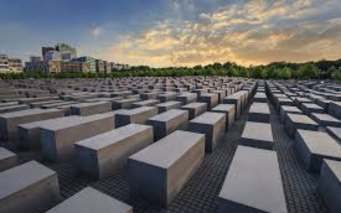
Educating for Civic Responsibility: Pedagogical Approaches to the Holocaust and African American History
Teacher Workshop (In-Person) November 5-8, 2026 | At the Henry and Sandra Friedman Holocaust Center for Humanity and the Northwest African American Museum
Featuring scholars from the Equal Justice Initiative, Institute for Common Power, United States Holocaust Memorial Museum and more, educators will wrestle in this workshop with profound moral questions raised by the respective histories of African Americans and the Holocaust and their legacies today. How did systems of oppression in Nazi Germany and the United States enable, and inflame what unfolded then, and what patterns can we recognize today? At the same time, participants will gain classroom-ready resources and considerations to help their students not only consider these issues, but also to sharpen their skills in critical thinking, ethical reflection and empathy, and civic responsibility in the face of systems of oppression today.
In partnership: The Holocaust Center for Humanity, Northwest African American Museum, The Olga Lengyel Institute (TOLI)
Register for the November 5 Zoom Keynote (see below) AND apply to attend the teacher workshop in Seattle, at the Holocaust Center for Humanity and Northwest African American Museum:
(up to 23 clock hours for WA teachers)
Deadline to apply: October 10, 2026
Cost: $50 due upon ACCEPTANCE to the workshop (ie., after 10/10) – includes continental breakfast items, lunches, snacks, coffee, books and swag!
Questions? Email
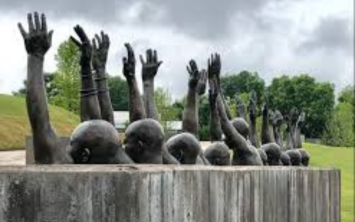
A Study of Legacy, Narrative Work, and Truth Telling, with Tad Roach (Equal Justice Initiative) (Zoom, only)
November 5, 2026 4:00pm PT | Zoom
Register for November 5, 2026 Zoom Keynote: A Study of Legacy, Narrative Work, and Truth Telling, with Tad Roach (Equal Justice Initiative)
(open to everyone) (1 clock hour for WA teachers)
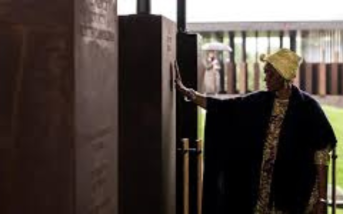
Bryan Stevenson developed the vision for the Legacy Sites in Montgomery, Alabama, after studying how Germany, South Africa, and Rwanda confronted histories of violence and injustice to promote truth, repair, and reconciliation.
As Stevenson writes, “In America, we have resisted that reckoning.”
Through the Legacy Museum, the National Memorial for Peace and Justice, Freedom Monument Sculpture Park, and Montgomery Square, the Equal Justice Initiative explores how slavery evolved rather than ended because the nation never fully confronted racial injustice at its roots.
Join Tad Roach, Learning and Engagement Specialist at the Equal Justice Initiative, for a discussion on the Legacy Sites and the power of historical research, truth-telling, repair, and healing. Together, we will consider how Stevenson’s model speaks to contemporary challenges of hatred and violence around the world.