




 In 1959, at a time of political unrest in Rwanda, Paul Karemera’s grandparents on both sides of his family left their homes in Rwanda and became refugees in neighboring Uganda.
They belonged to the Tutsi tribe – the group targeted in the Rwandan genocide. Throughout the 1960s through the early 1990s, tribal tensions flared back in Rwanda. Paul, his siblings, and parents remained refugees in Uganda.
As a young student, Paul was harassed and bullied as an outsider in Uganda, despite having been born there. When civil war and then genocide gripped Rwanda in 1990-1993, Paul’s father was active in transporting soldiers over the border of Uganda into Rwanda. These soldiers were part of the Rwandan Patriotic Front (RPF) that fought the genocide’s perpetrators and eventually took over the nation’s government.
At 16, shortly after the genocide against the Tutsi, Paul went back to Rwanda as a “returnee” to the country. Many friends and family had not survived. Paul’s next years involved attending an English language high school and settling into life in Rwanda, which was not easy for him. Nationwide, the genocide’s wounds were still raw. Gacaca courts for restorative
justice were instituted, but many Hutu perpetrators were never apprehended.
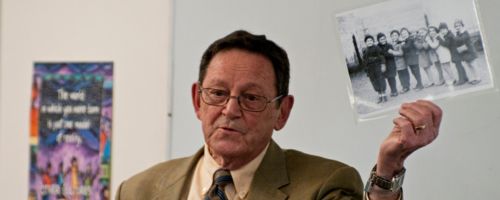
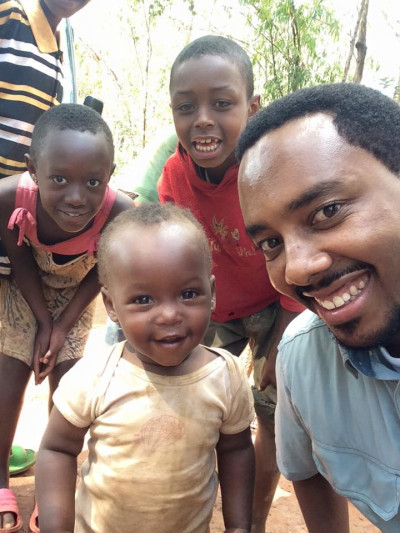
Paul has been an English interpreter and travel guide since 2000. In 2009 Paul and his wife, Shelly, founded a travel company, Intore Expeditions, in Rwanda. He now splits time between Seattle and Rwanda. Paul wants students and other audiences in the United States to learn more about Rwandan history and the genocide.