John Rock
1922-2004
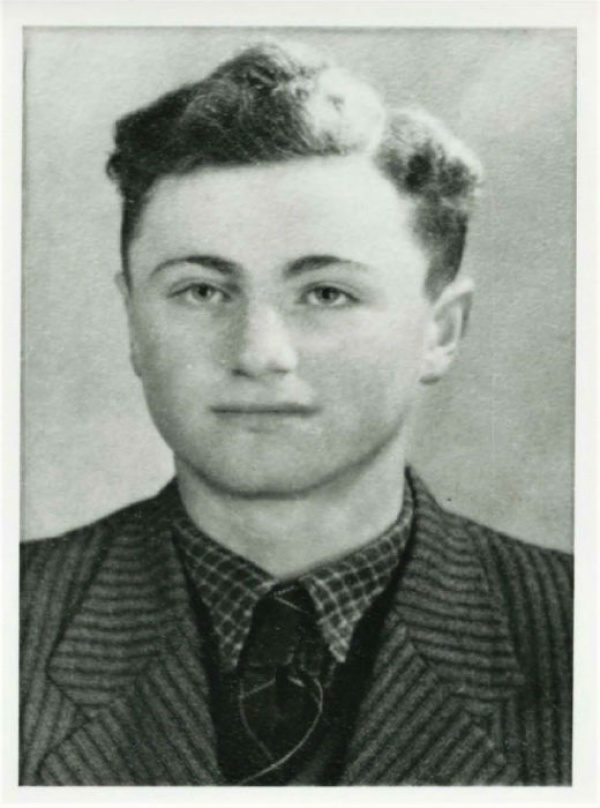
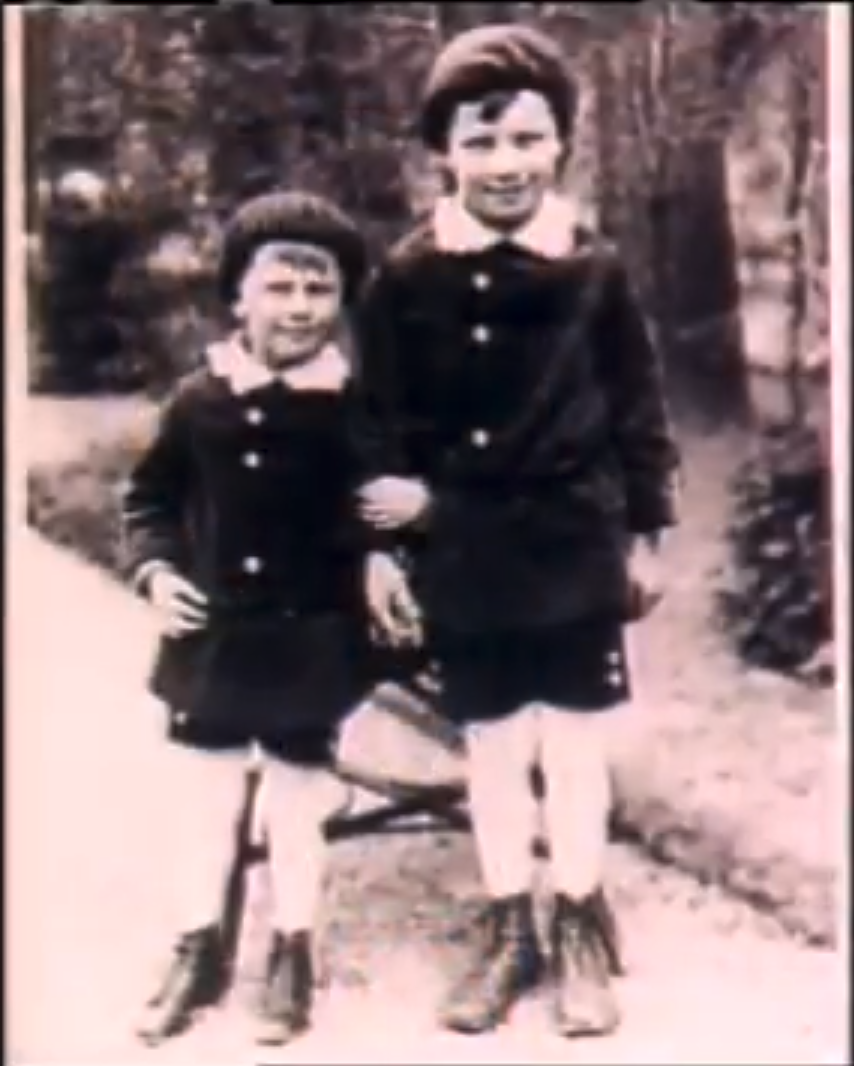
John Rock was born Maximilian von Rochlitz on January 26, 1922, in Vienna, Austria. He grew up in a close-knit Jewish family with his parents and young brother. When John was five, his father died. His mother’s brothers stepped in to support the family. John was especially close to his uncle Julius, who often took him to soccer matches. These outings were a special part of John’s childhood and gave him happy memories of growing up in Vienna.
After Nazi Germany annexed Austria in 1938, sixteen-year-old John was forced to leave school. While he had been a student, he worked at a Jewish-owned company, wrapping parcels and making deliveries. After the Anschluss, the Jewish owners were forced out and replaced by a non-Jewish manager. John lost his job as the Nazis systematically seized Jewish-owned businesses and property across Austria.
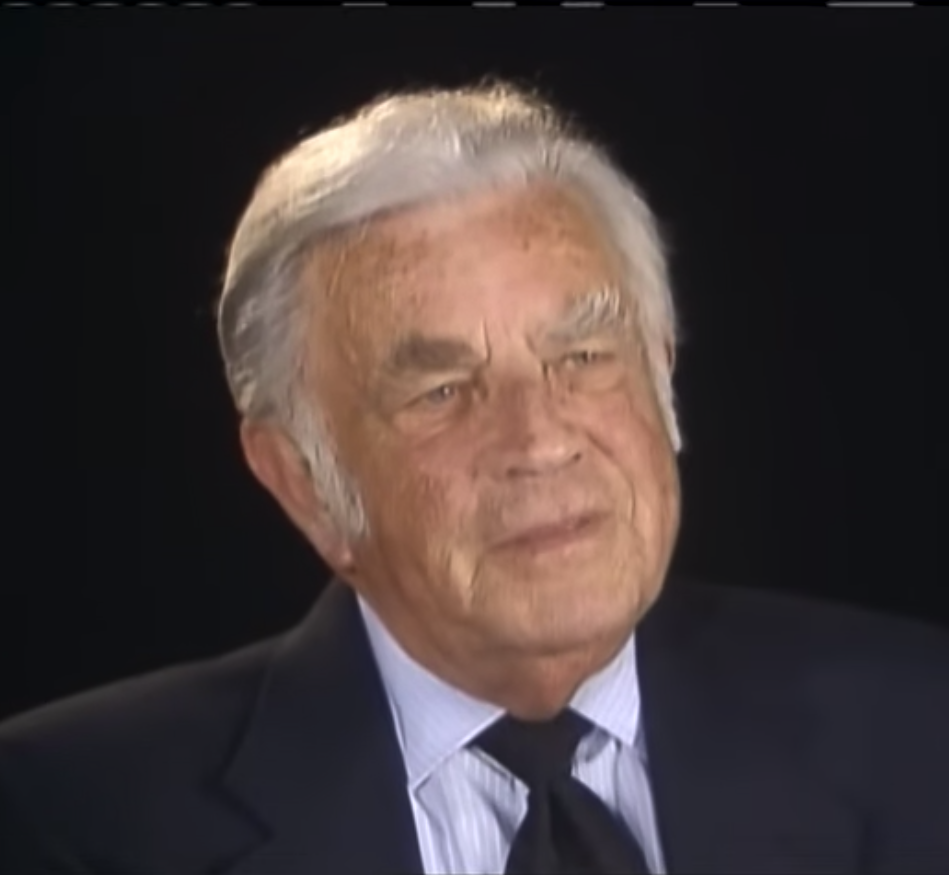
John’s younger brother, Imre, was able to escape to Yugoslavia in July 1938 using his Hungarian passport. John did not have the same option. His documents were no longer valid, leaving him stateless and unable to leave.
Before Kristallnacht in November of 1938, a non-Jewish friend warned John of the attacks on Jewish people. John hid for several days in a building behind his home. Although his family’s property was spared, the danger was clear. With no way to leave Austria, John joined a Hachshara camp, where Jewish youth learned farming skills in preparation for emigration.
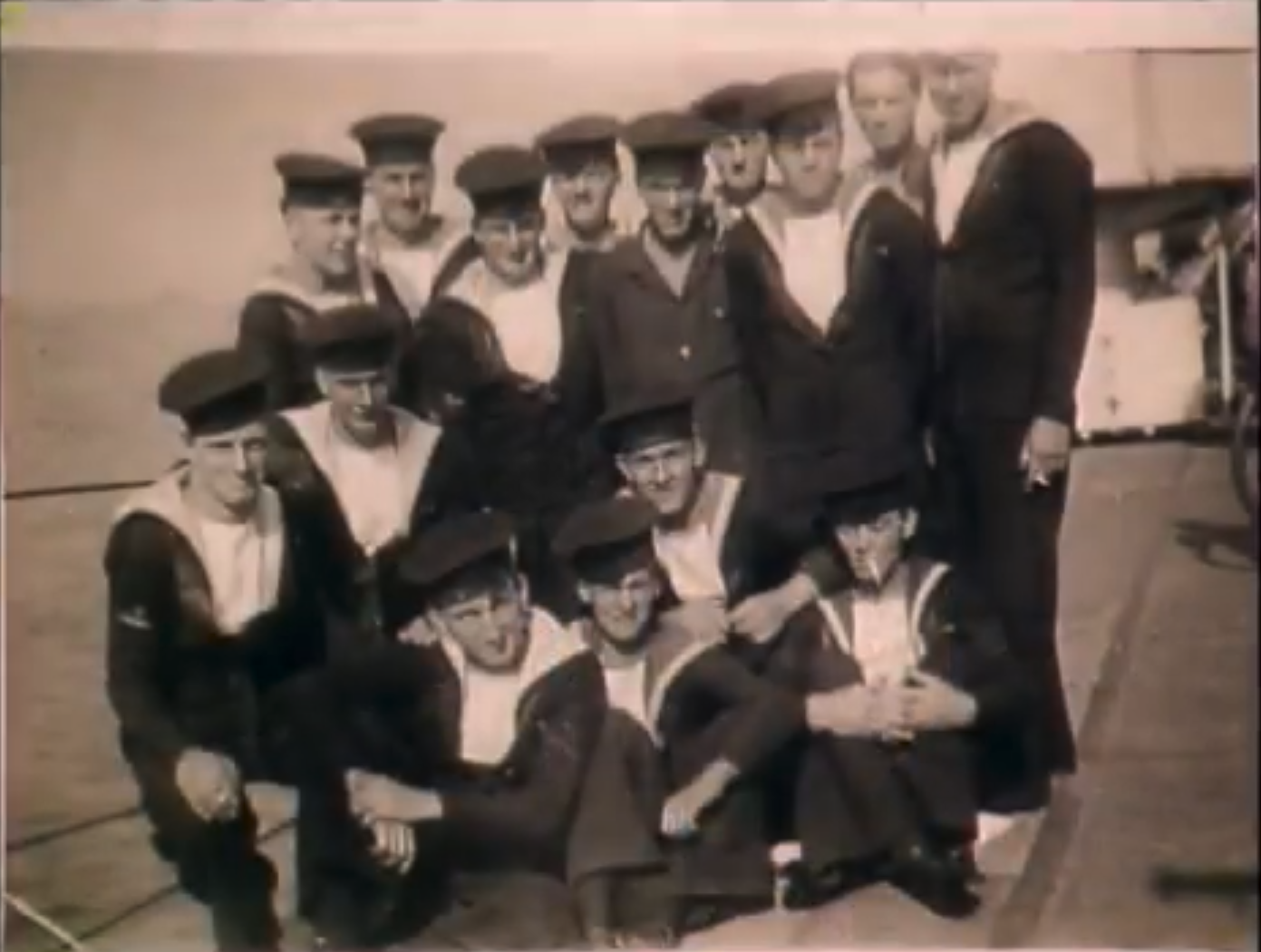
After several months, John’s mother told him that she had secured papers for him to go to England. At age 17, he said goodbye to his mother at the Vienna train station. John arrived in England in August of 1939. Drawing on his training, he worked on farms in the English countryside before enlisting in the British Army in 1940. By 1943, he transferred to the navy, serving aboard the HMCS Athabaskan. He used his knowledge of German to intercept and decode communications.
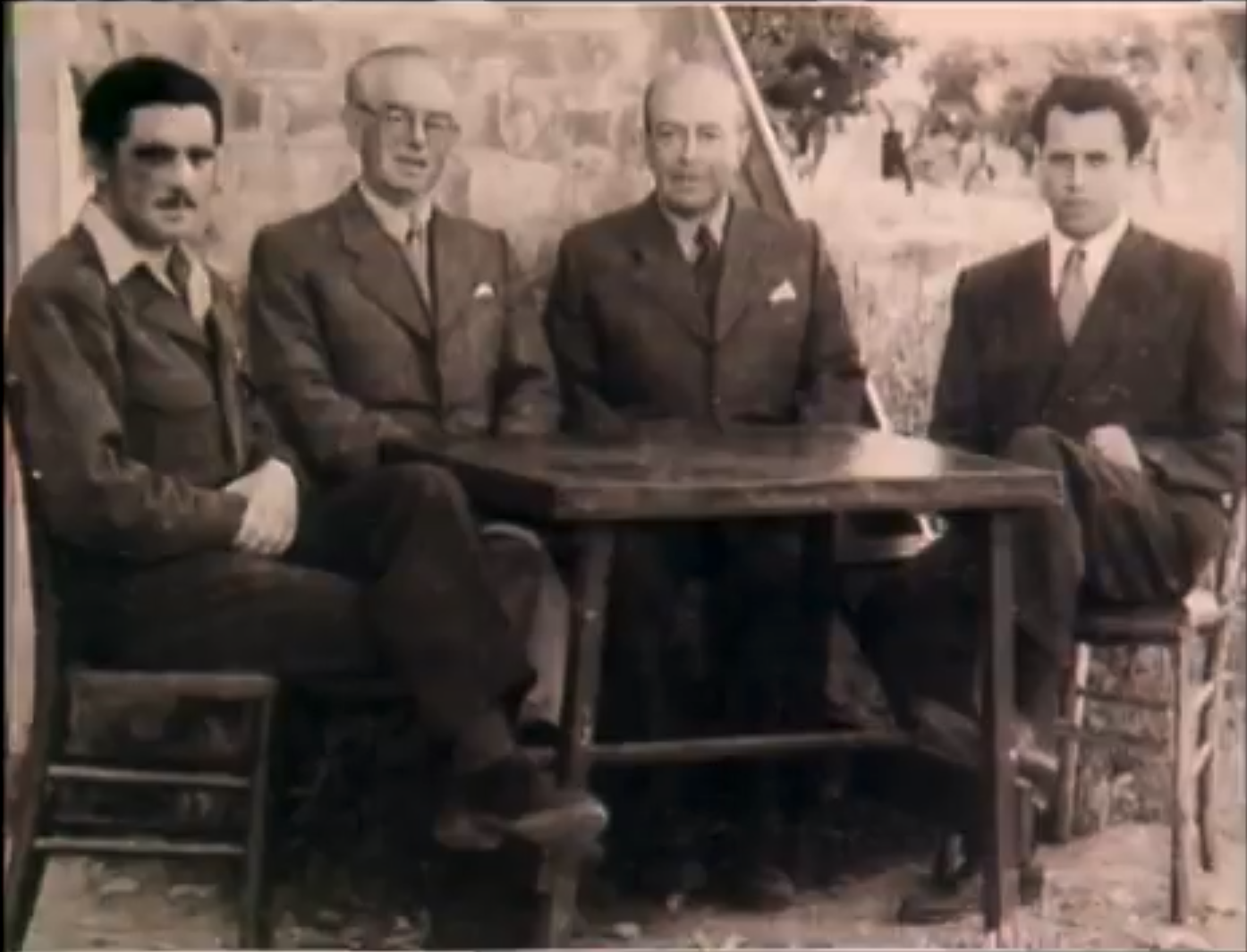
John’s mother managed to escape Austria and sent him a postcard from Yugoslavia in 1940. However, after 1942, he never heard from her again. She and John’s stepfather were murdered at Auschwitz. Imre survived the war after escaping from the Jasenovac concentration camp. After the war, John and Imre reunited with two of their uncles, who had also survived.
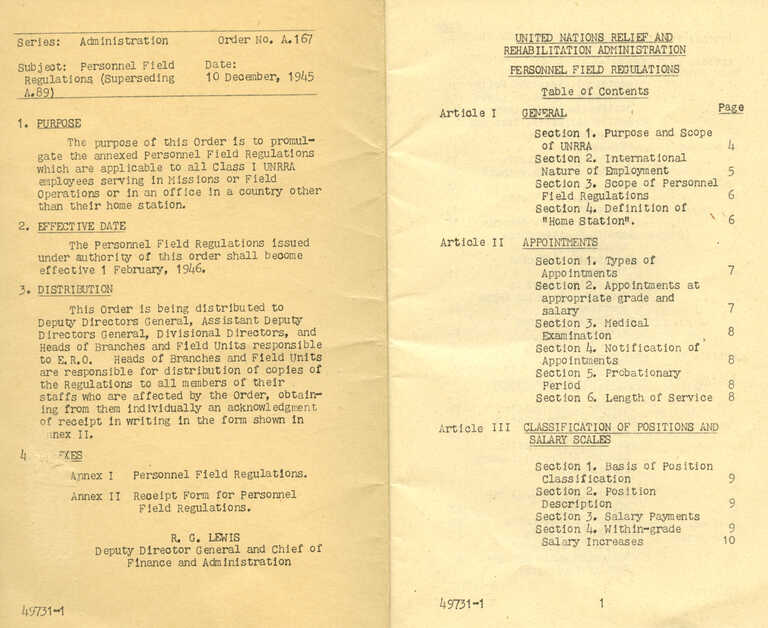
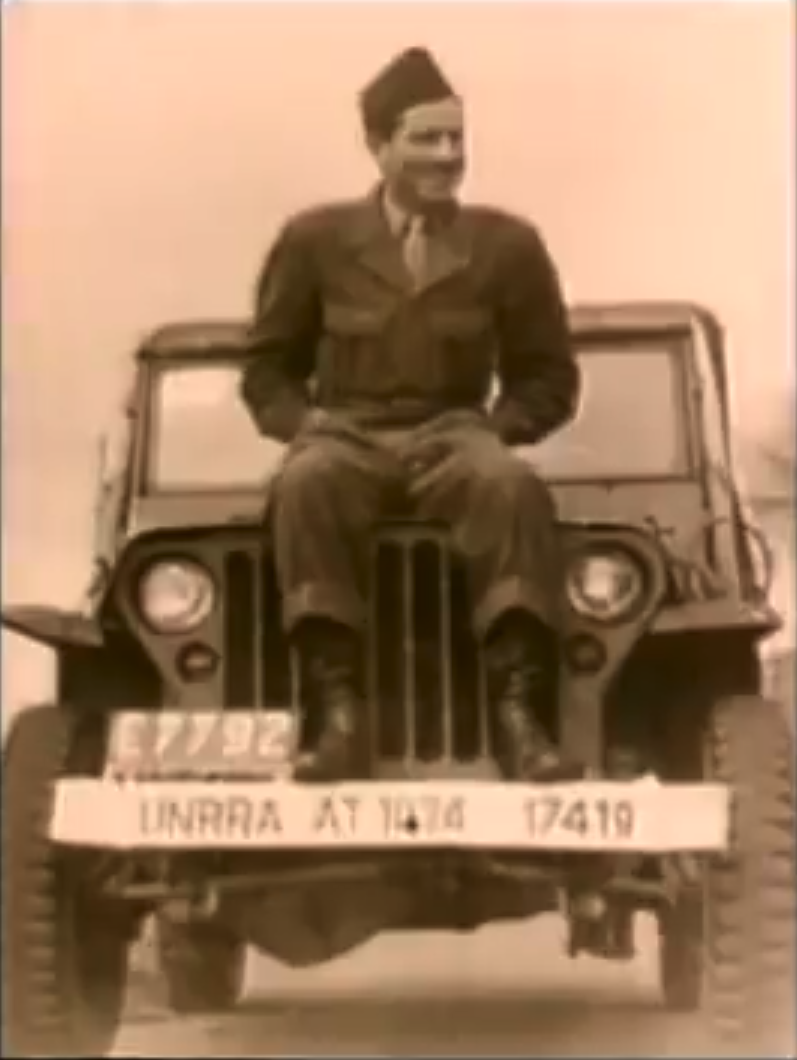
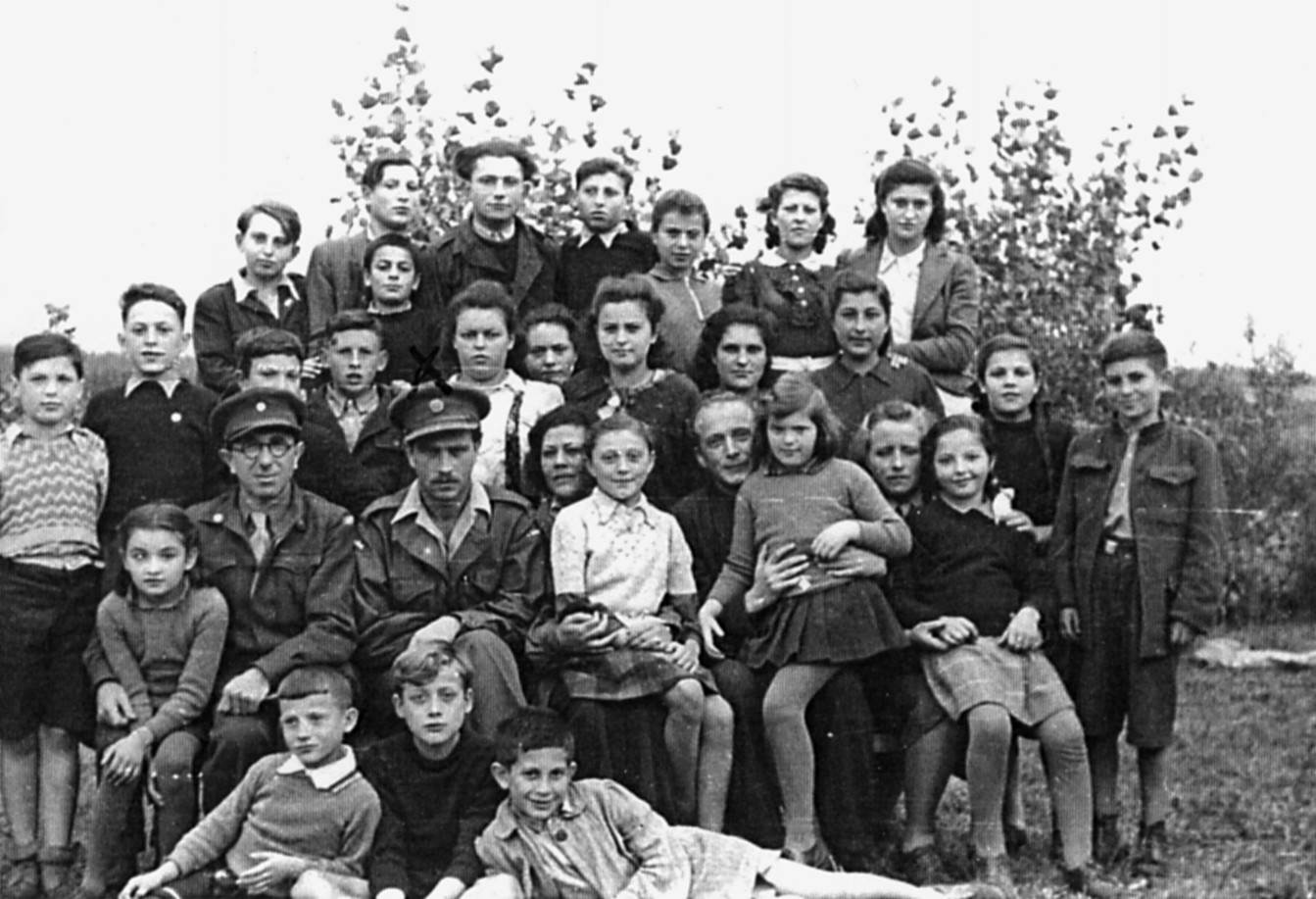
In 1946, John became a director for the United Nations Relief and Rehabilitation Administration (UNRRA). He oversaw five displaced persons camps near Kassel, Germany. One camp was for unaccompanied children. John collected many photographs during his time at the DP camps and arranged them in a homemade photo album. Throughout his life, he described his work with UNRRA and the displaced children as the most important work he ever did.
John immigrated to Canada in 1949 and then the United States in 1951, settling in Seattle. He later donated his photo album to the Holocaust Center for Humanity, where the photographs preserve a record of the children and communities he helped after the Holocaust. John Rock passed away in 2004 at age 82.
Video Testimony – John Rock
Encounter with SS Guard at the Border
Torpedo of the HMCS Athabaskan
UNRRA’s Care for Displaced Persons
Message to Future Generations
John Rock Full Testimony (1996)
Photo Gallery – John Rock
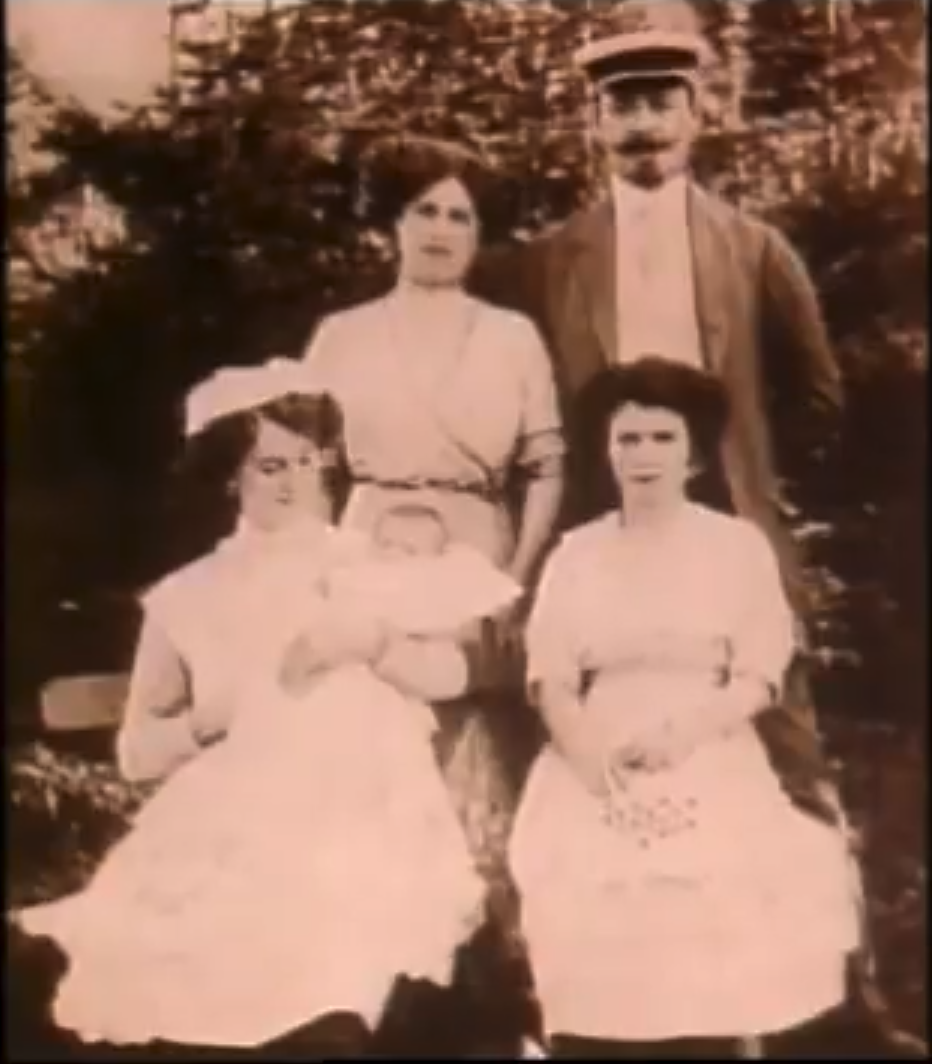
J. Rock Gallery 1
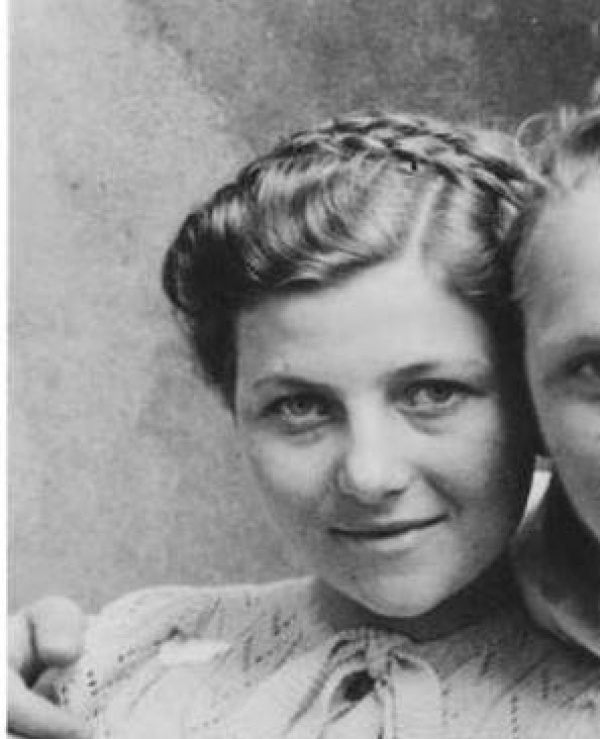
Irene (bottom right) with her oldest sister, Kisella, (top left) and her family. This sister left for England in 1938.
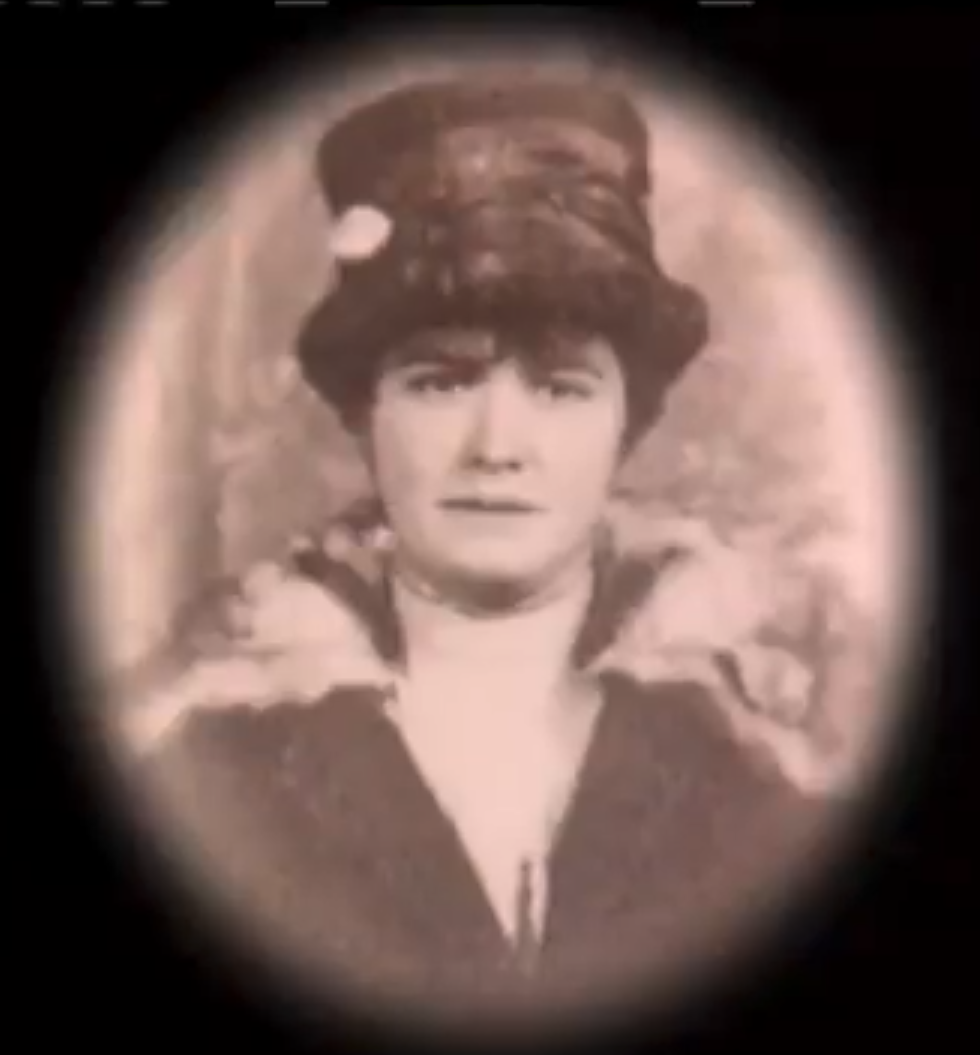
J. Rock Gallery 2
John's mother, Irene, at 16 years old.

J. Rock Gallery 3
Irene (far left) with members of her family, 1913.
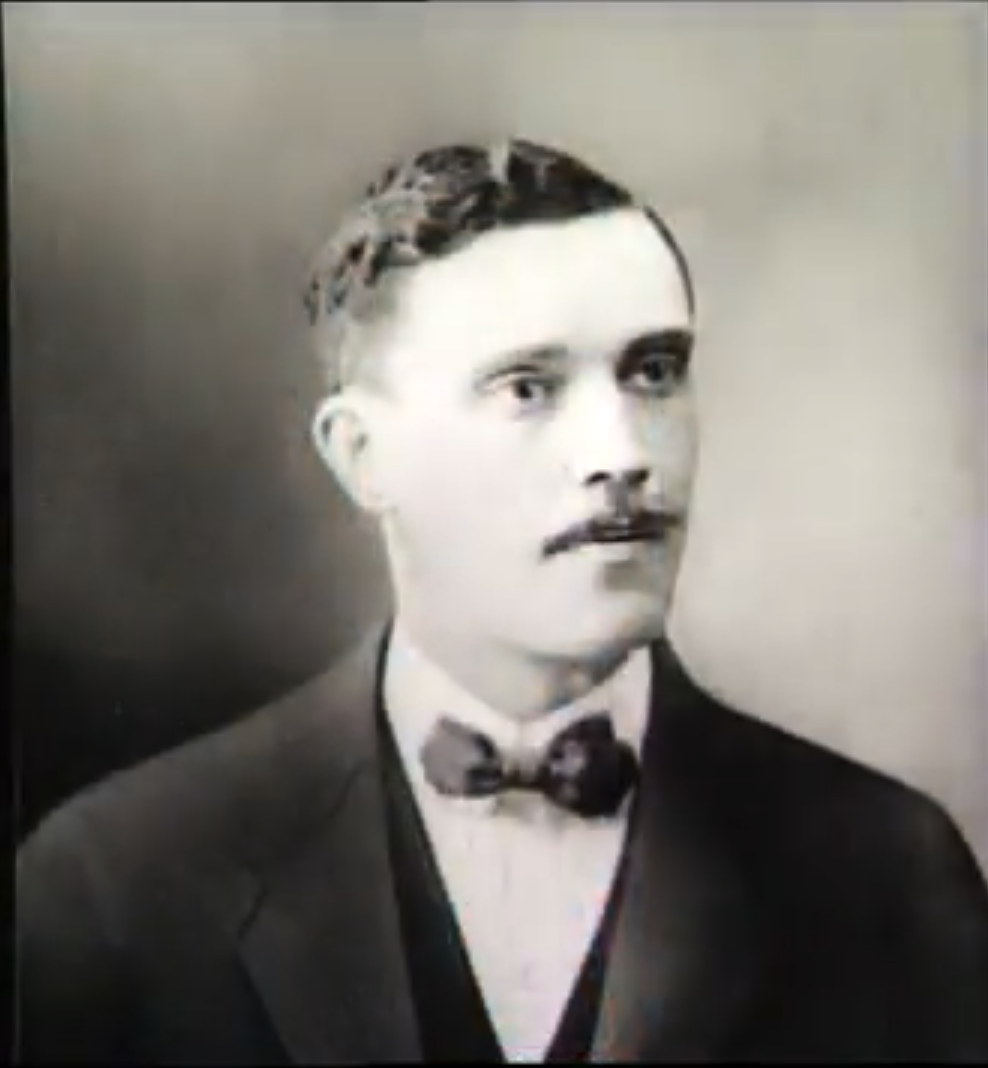
J. Rock Gallery 4
John Rock’s father, Joseph. He died when John was five years old in 1927.
J. Rock Gallery 5
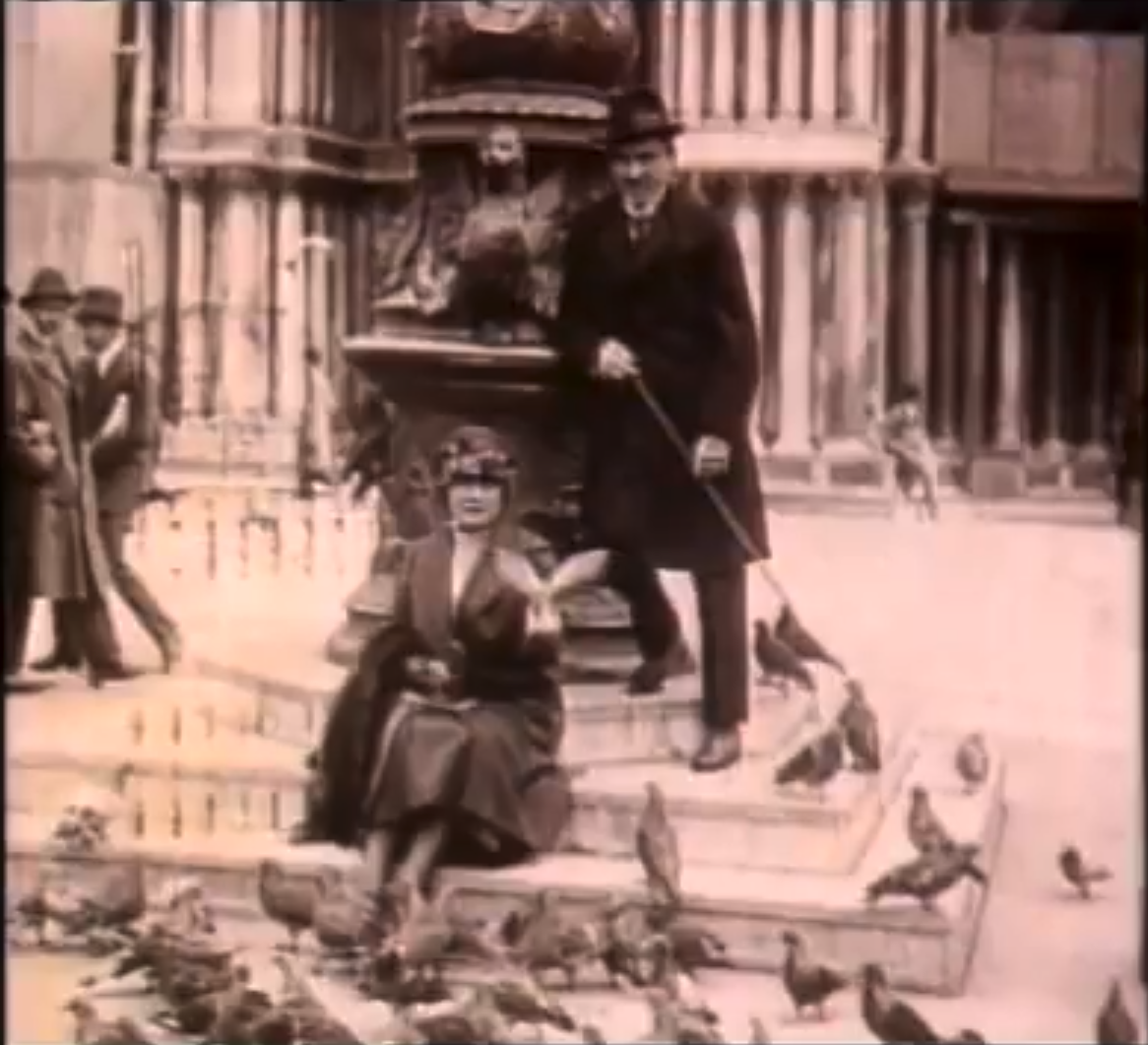
Irene and Joseph on their honeymoon. Venice, Italy 1921.
J. Rock Gallery 6
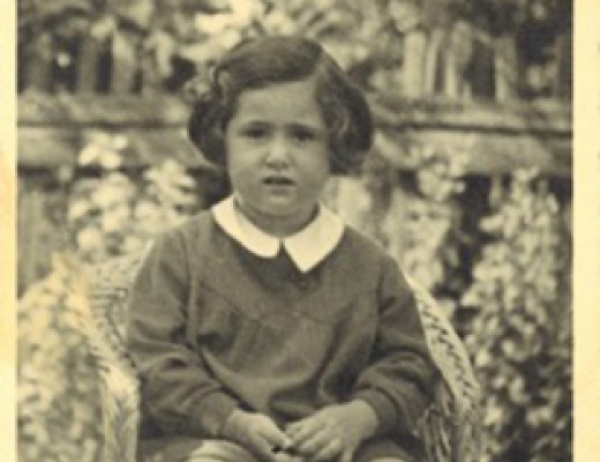
John and his younger brother, Imre. Vienna, Austria 1929.
J. Rock Gallery 7
John with the crew on the HMS Vimy.
J. Rock Gallery 8
John (left) with his brother (right) and two uncles (Julius middle left and Robert middle right) that survived the war.
J. Rock Gallery 9
John’s copy of the UNRRA Personnel Field Regulations.
J. Rock Gallery 10
John in his UNRRA uniform. The boots were Russian, an American jacket, a British shirt, and American khakis.
J. Rock Gallery 11
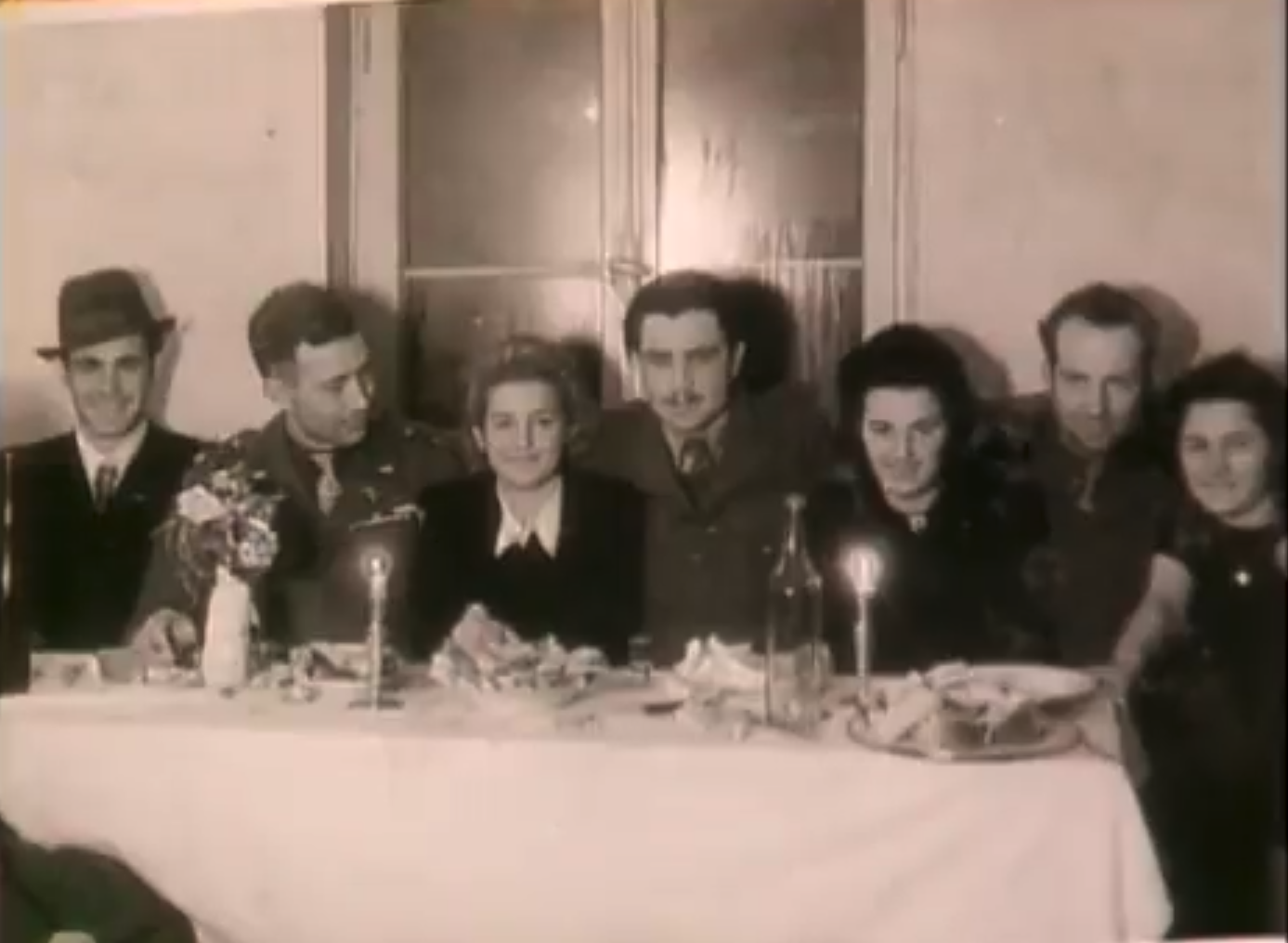
John at a Jewish wedding in 1946.
J. Rock Gallery 12
John (middle) with unaccompanied children in one of the DP camps he oversaw, 1946.
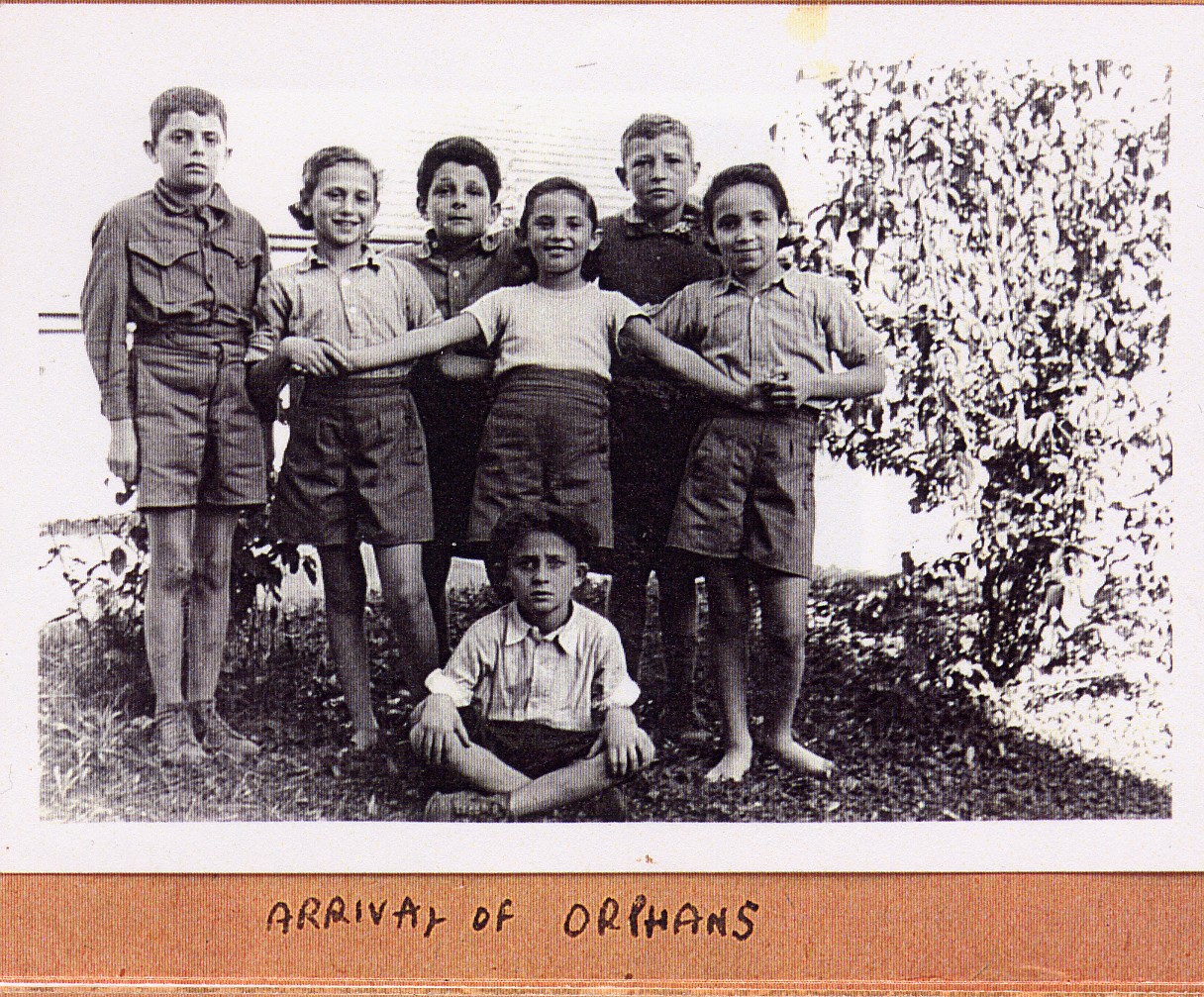
J. Rock Gallery 13
A group of orphans in a DP camp. They had been living alone in the forest throughout the war.