Henry Friedman
1928-
“When I was in hiding, I feared I would be the only Jew who survived. A terrible empty feeling came over me at the loss of so many cousins, and I felt as though I were standing all alone in a huge stadium.” – Henry Friedman
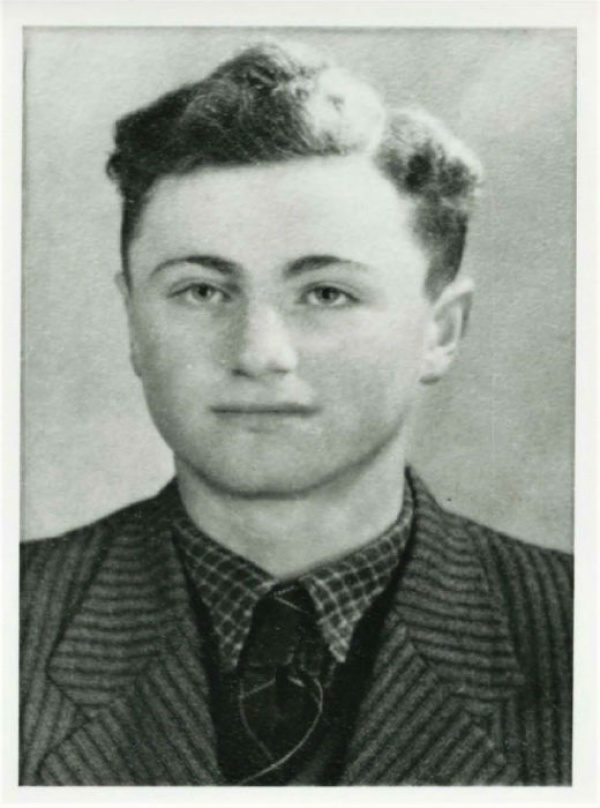
Henry Friendman was born in 1928 in Brody, Poland (present-day Ukraine). When the Nazis invaded Brody in 1941, they swiftly deprived Jews of their basic rights. They forbade Jews to attend school or teach, formed a violent police force, and forced Jews to wear armbands bearing the Star of David.
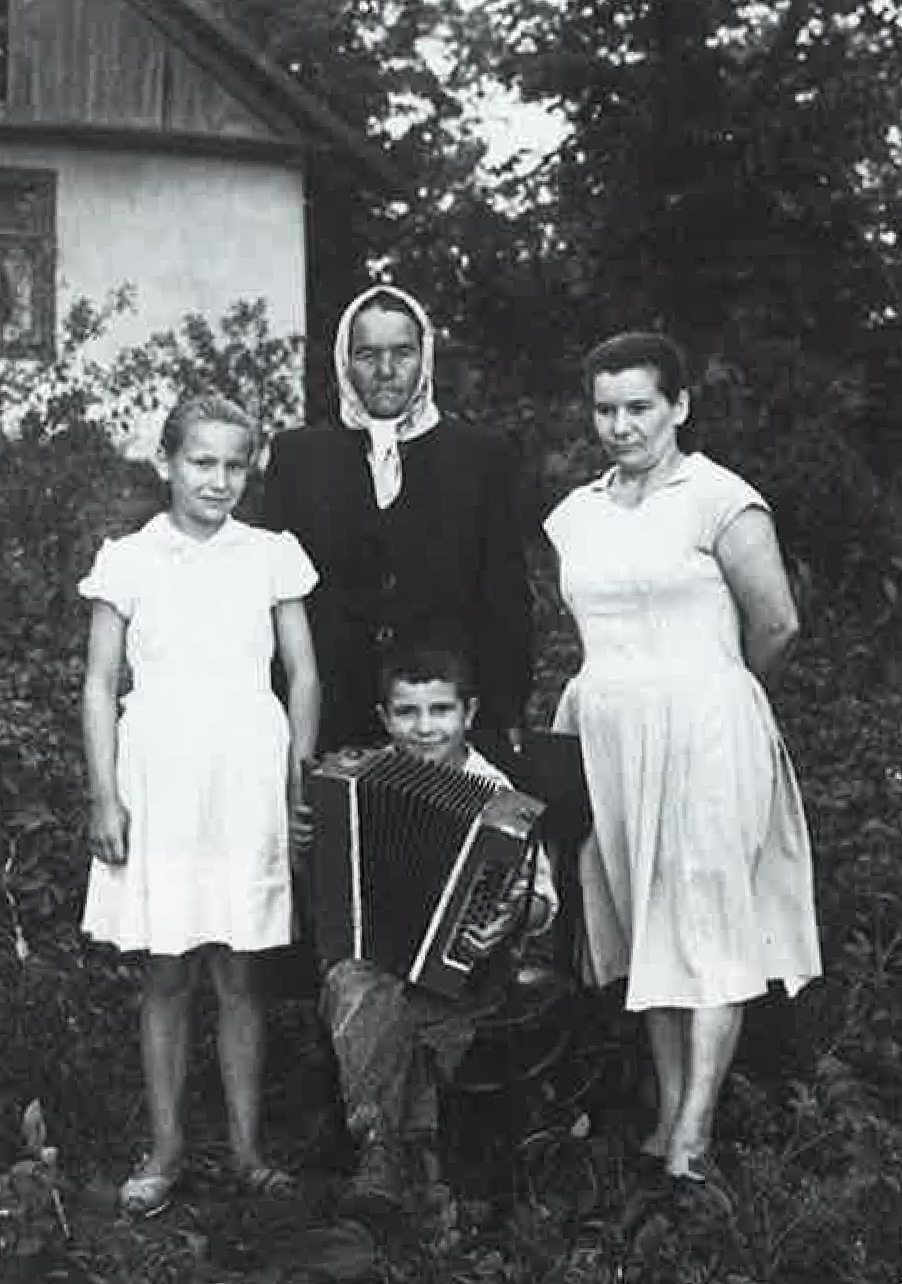
One day in February, 1942, a young Ukrainian woman, Julia Symchuck, ran to the Friedmans’ house and warned Henry’s father that the Gestapo was coming for him. His father was thus able to flee in time. Jews not forewarned were sent to camps to be put to work or were murdered. These round-ups, called “aktions”, sent 4,500 Jews to the Belzec death camp. The final order came in the fall of 1942: the remaining 6,500 Jews in the area were to move into a small ghetto in Brody. In October, 1942, the Friedmans themselves were ordered to move into the ghetto. However, Henry’s father had different plans.
The Friedmans hid in the village of Suchowola with the help of two different Ukrainian families. Henry, his mother, his younger brother, and their teacher went to a barn owned by Julia Symchuck’s parents, where they occupied a small space about the size of a queen-sized bed. Henry’s father went to a separate hiding place that belonged to an old acquaintance, half a mile from the Symchucks’ barn. They learned that from May to June of 1943, the Nazis were deporting the Jews in the Brody ghetto, as part of the two-year plan known as “Operation Reinhard.” Most of the Jews in the ghetto were sent directly to the Majdanek death camp.
For eighteen months, the Friedmans remained in hiding, freezing cold and slowly starving as food became scarce. Finally, in March 1944, the Russians liberated Suchowola and the Friedmans.
Decades later, Julia Symchuck was recognized as one of The Righteous Among the Nations by Yad Vashem and was reunited with Henry in Seattle in 1989.
Henry helped found the Holocaust Center for Humanity in 1989 and is an active member of the Speakers Bureau.
- Transcripts for Video Clips — Henry Friedman
- Oral History Audio and Transcript – Washington State Jewish Historical Society/University of Washington Libraries Special Collection
- Biography Booklet
- Full Testimony Henry Friedman (1990, 2:20:28)
- “What advice do you have for teens today?” (0:29)
- Kids Meet a Holocaust Survivor | HiHo Kids (10:25)
Video Testimony – Henry Friedman
Hiding
Hiding
Rescuers
Reunion
Photo Gallery – Henry Friedman
H. Friedman Gallery 1
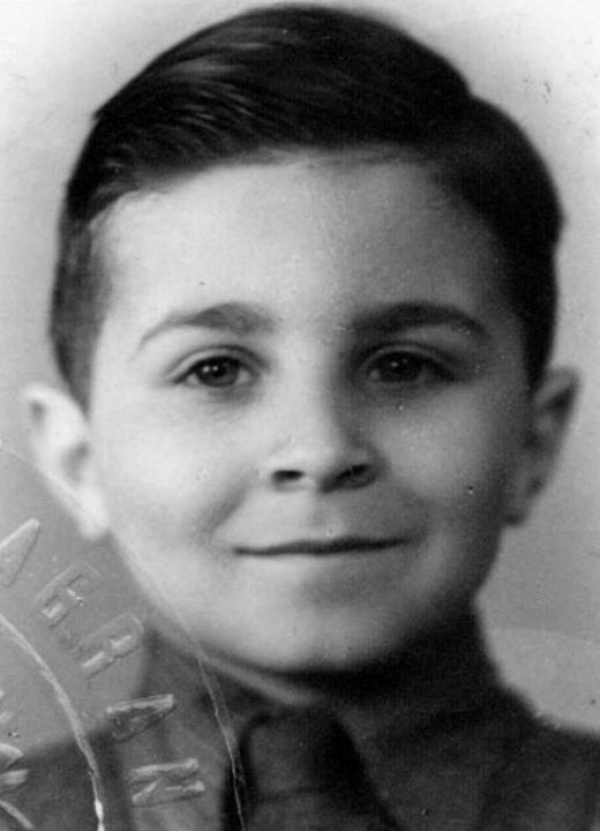
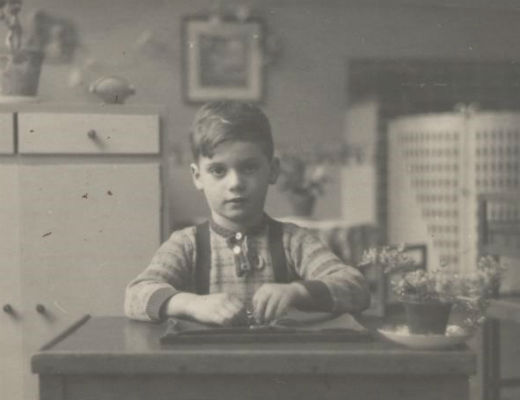
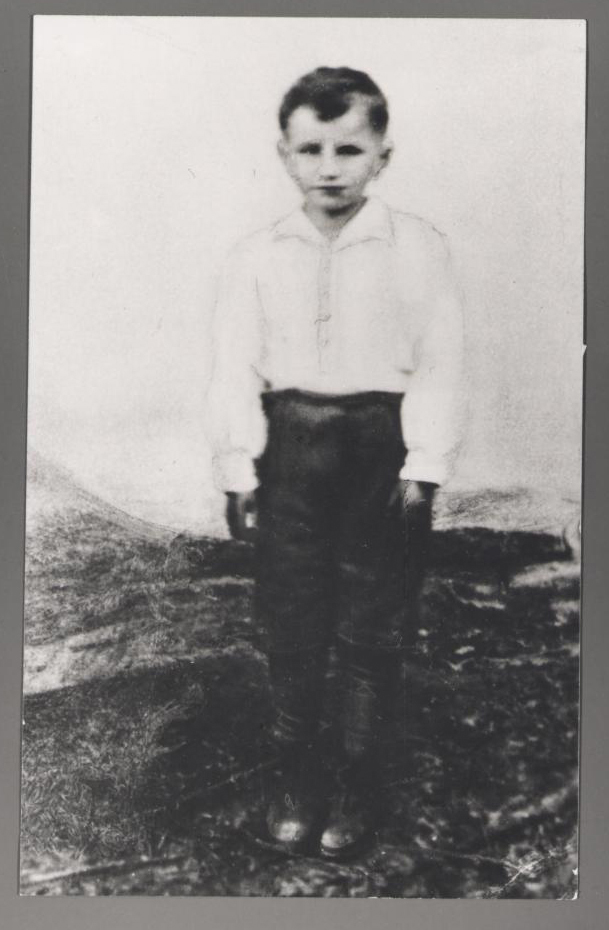
Henry Friedman as a small boy in Brody, Poland. 1936.
H. Friedman Gallery 2
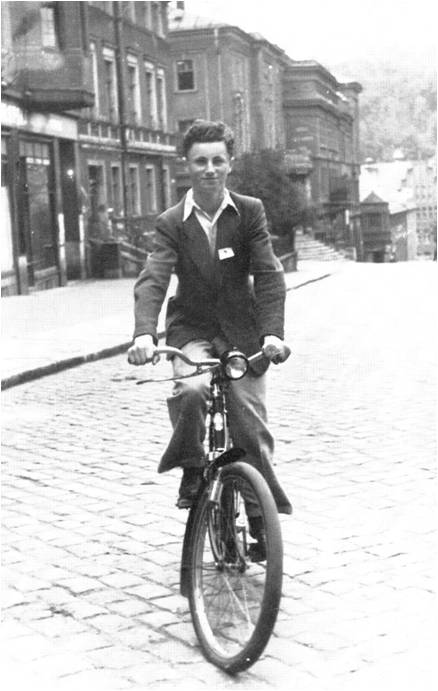
Henry Friedman riding a bike in the town of Gliwice, Silesia. 1945.
H. Friedman Gallery 3
Symchuck family: Julia (right), her mother, niece, and nephew.
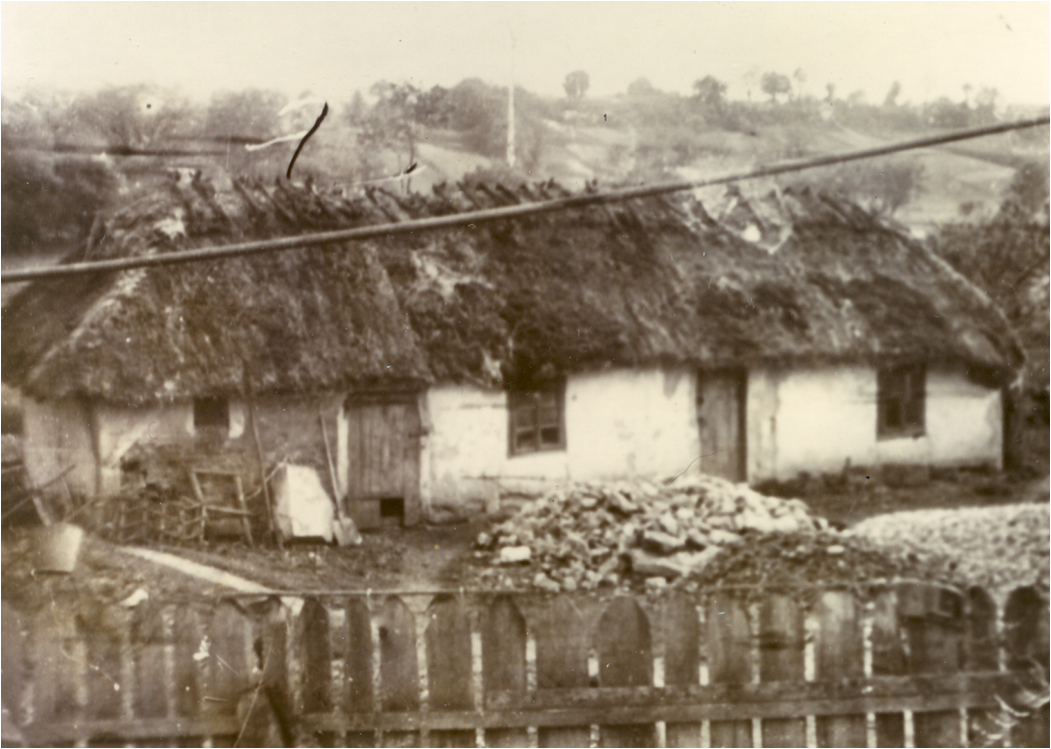
H. Friedman Gallery 4
The barn in Suchowola, Ukraine where Henry's father hid.

H. Friedman Gallery 5
Henry in Linz, Austria. 1948.
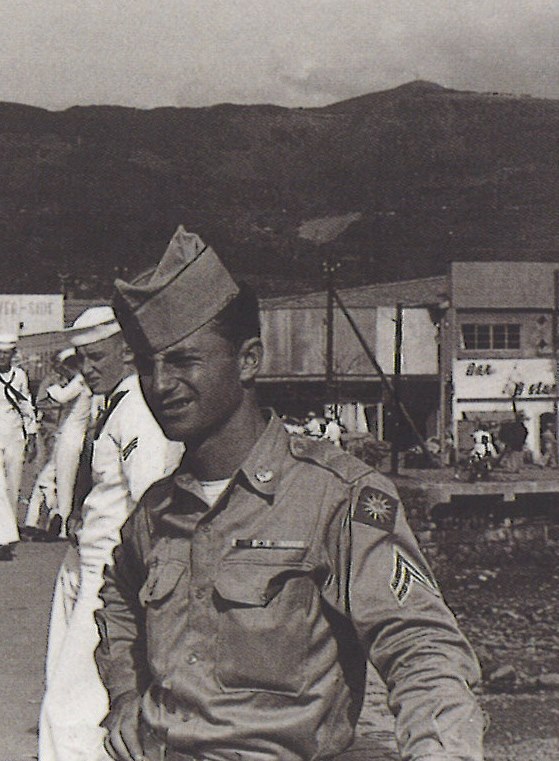
H. Friedman Gallery 6
Henry in Sasebo, Japan during his military tour of duty. 1952.
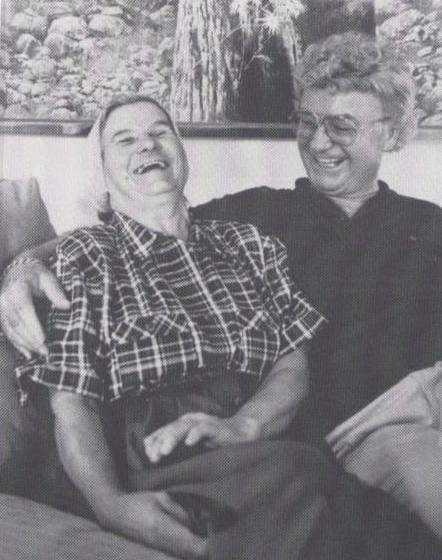
H. Friedman Gallery 7
Henry reunited with Julia Symchuck in Seattle, Washington. 1989.
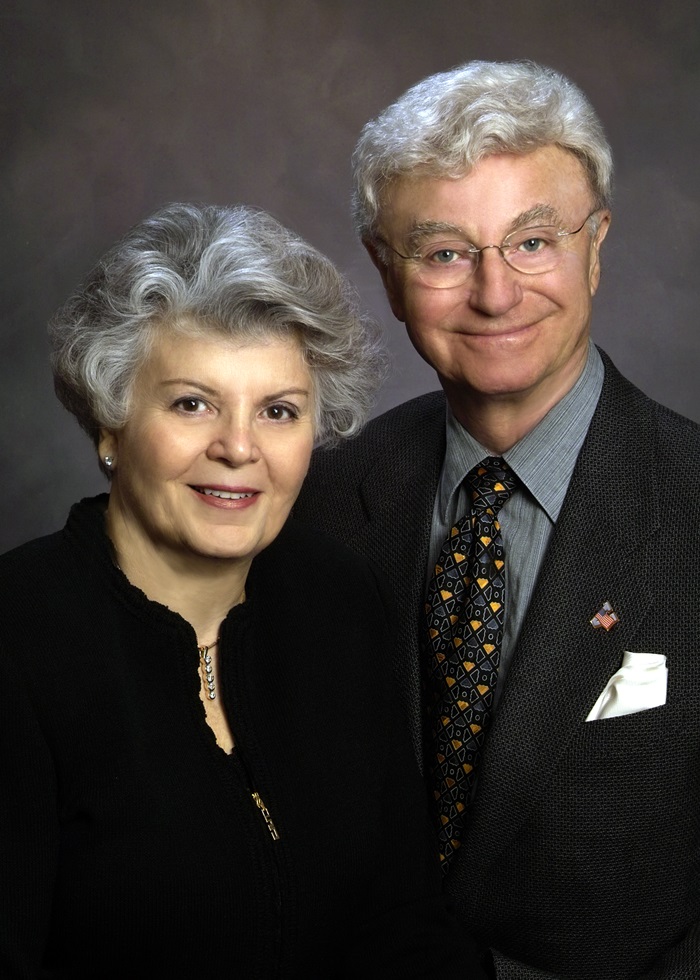
H. Friedman Gallery 8
Henry and Sandra Friedman