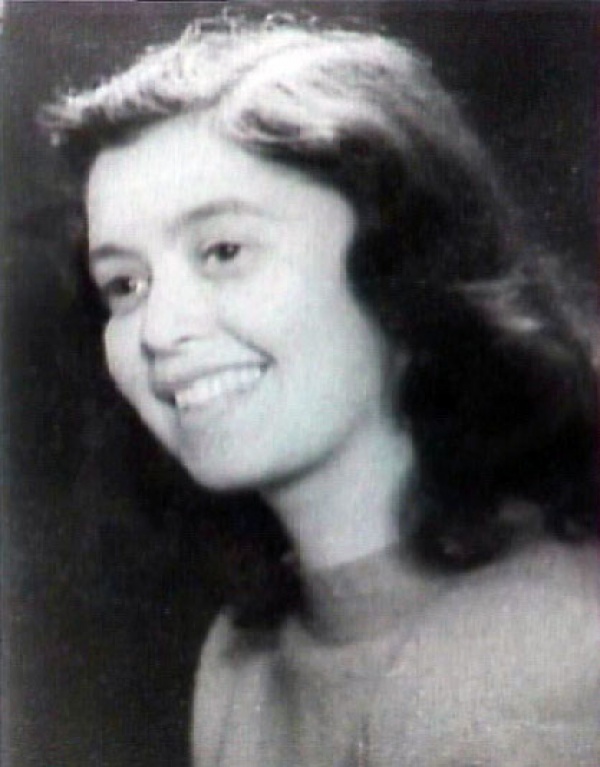
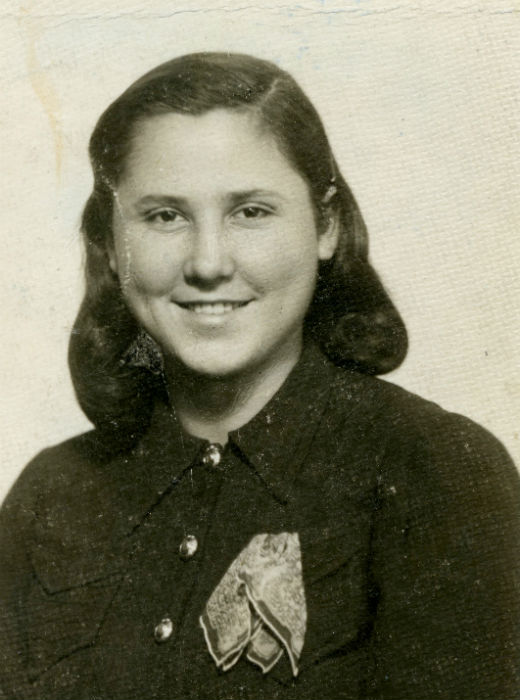
Ann Kaye
1925-2010
“Canada.” Because this particular commando was sorting out the clothing of the people that were gassed [rather than hard physical labor], in that commando I started doing better and I survived.” – Ann Kaye
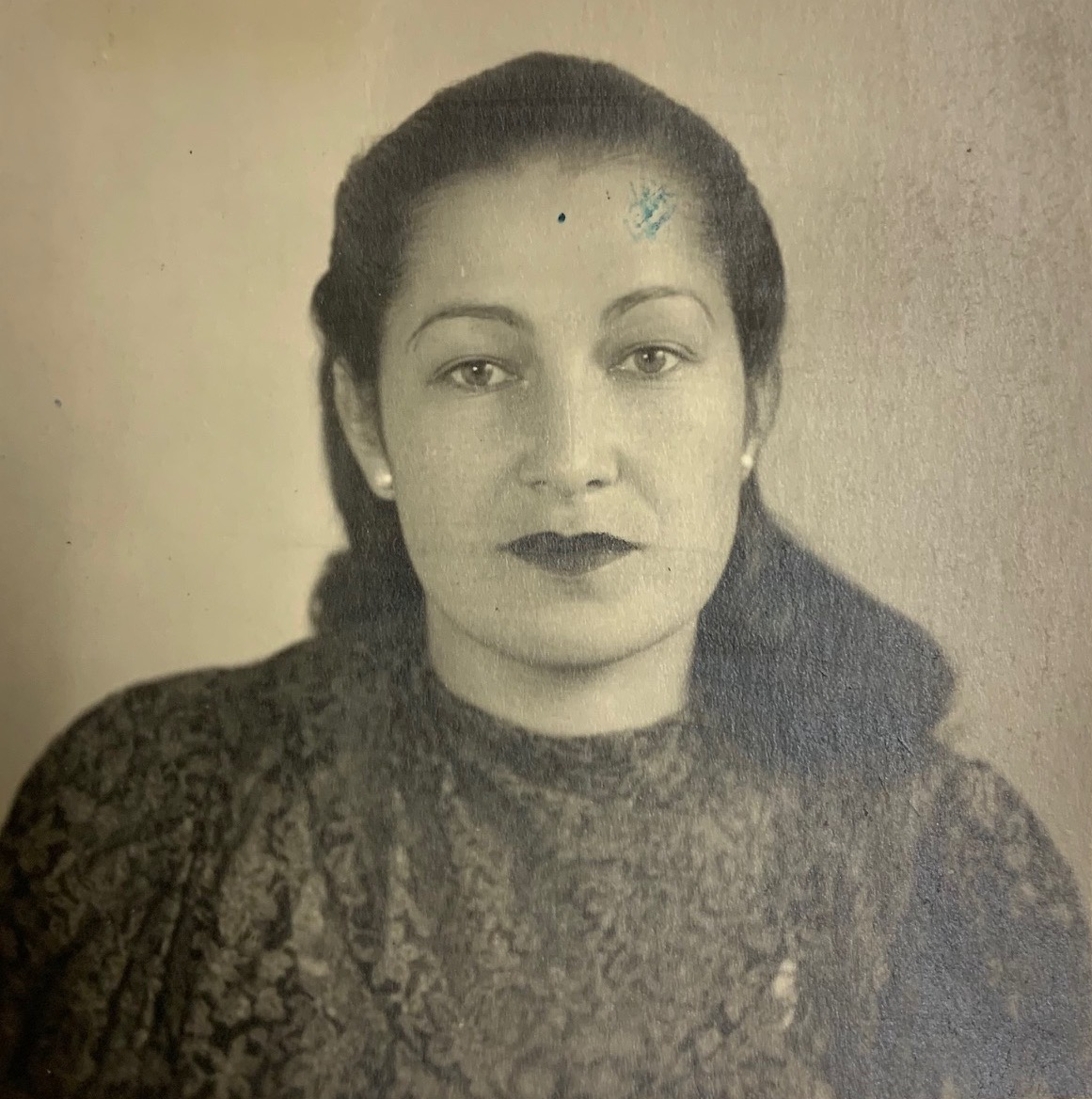
Ann Kaye (Hanne Pomeraniecz) was born to a Jewish family in Bereza Kartuska, Poland, on May 22, 1925. Ann had four brothers and two sisters. She belonged to a middle-class family and attended Hebrew school. Ann remembers her childhood as a happy one with a close family.
When Ann’s father didn’t show up for work one day in 1941, two policemen came and arrested him. For several days they tortured him. He begged to be killed, but they sent him back home so that others would know what would happen if they disobeyed their laws.
In the summer of 1942, the Nazis made two ghettos in the city: Ghetto A, for “useful” people – members of the Judenrat (Jewish Council) and the Jewish police, and for workers whose occupations were in demand and their families. The rest of the residents, including Ann and her family, were interned in Ghetto B. The inmates of Ghetto B were murdered by the Nazis in mid-July 1942, but Ann was able to escape with others. It took them 10 days to reach the Przany ghetto where conditions were slightly better. At the end of September 1942, she met her husband Ed Kaye in Przany.
In 1943 the Nazis set out to empty the Przany ghetto. They took the Jewish people, including Ann, by horses and sleds to the railroad and then packed them in cattle trains to Auschwitz. Ann was imprisoned in Auschwitz from January 1943 until January 1945, when she was forced out of the camp on what has become known as a “death march.” She and the other prisoners were forced to walk miles in the midst of winter, with barely any food or water, and no shelter. Five months later, on May 5, 1945, she was liberated. She doesn’t remember much about her liberation, other than that she woke up in a hay barn and was in the American zone.
Ann was the only survivor of her family. When she came back to Przany she discovered that Ed Kaye had survived. The two were married in February 1946.
In December of 1949, Ann and Ed came to the United States, settling in Seattle in 1950, where they raised their children and spent the rest of their lives.
Video Testimony – Ann Kaye
They Took My Father
Arriving to Auschwitz
After Liberation
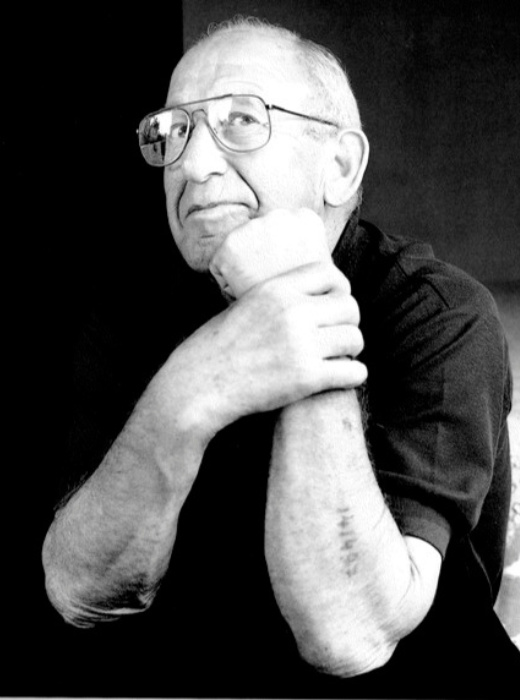
Tattoo
Full Testimony (1990)
Photo Gallery – Ann Kaye
A. Kaye Gallery 1
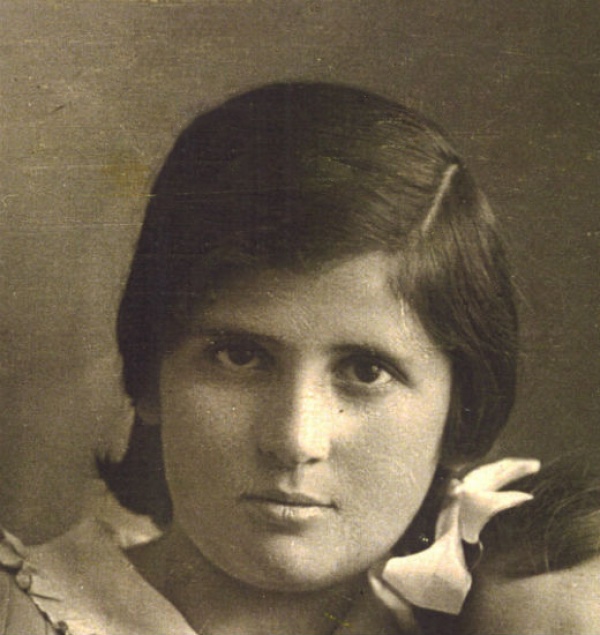
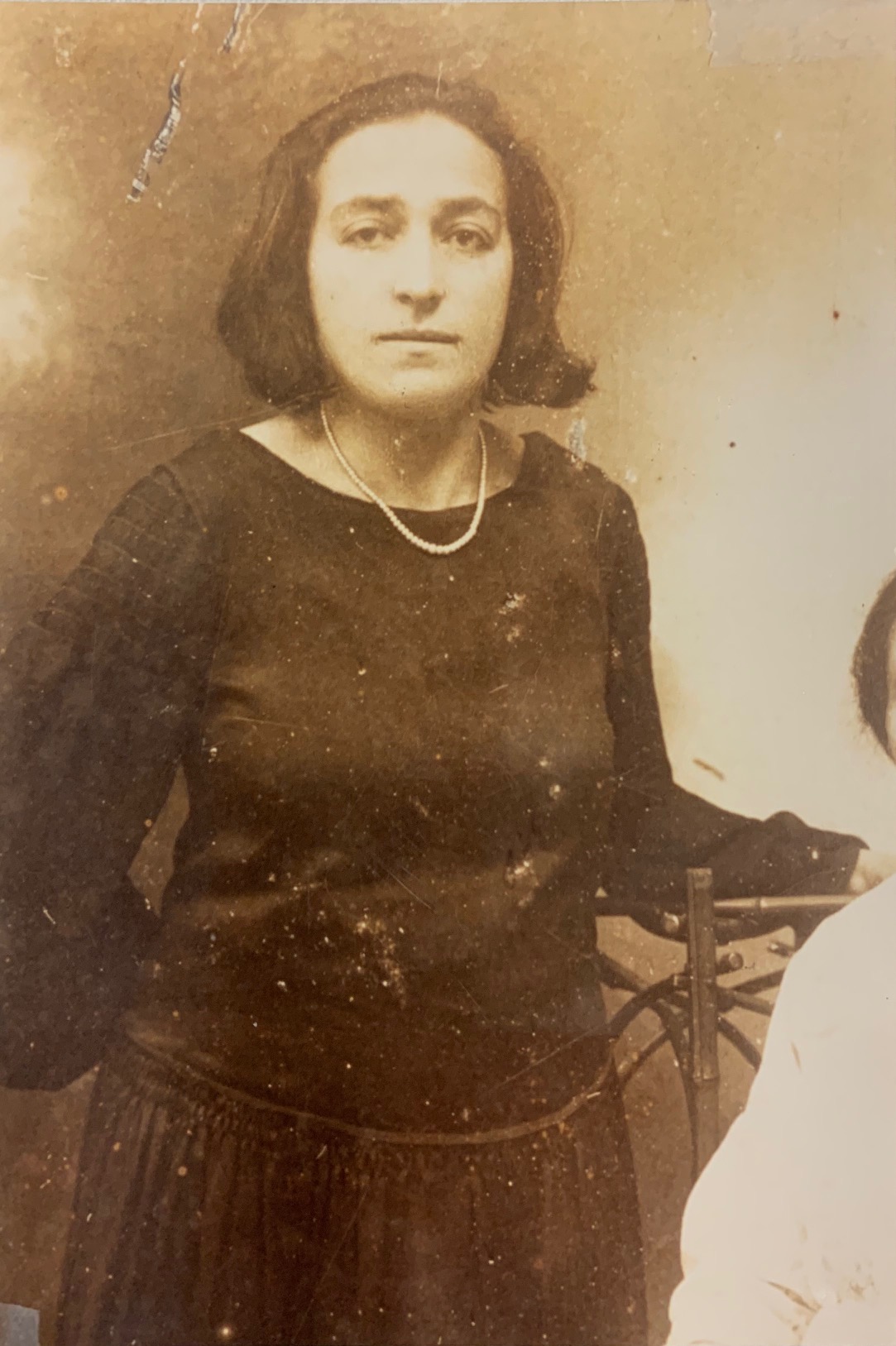
Sara Feigl Davidovska-Pomeraniecz, mother of Ann Kaye, wearing a black dress with a drop waist and pearls. She was born in 1910. The picture was taken in the middle of the 1930s. She was killed in 1942 in Bronagura, Belarus.
A. Kaye Gallery 2
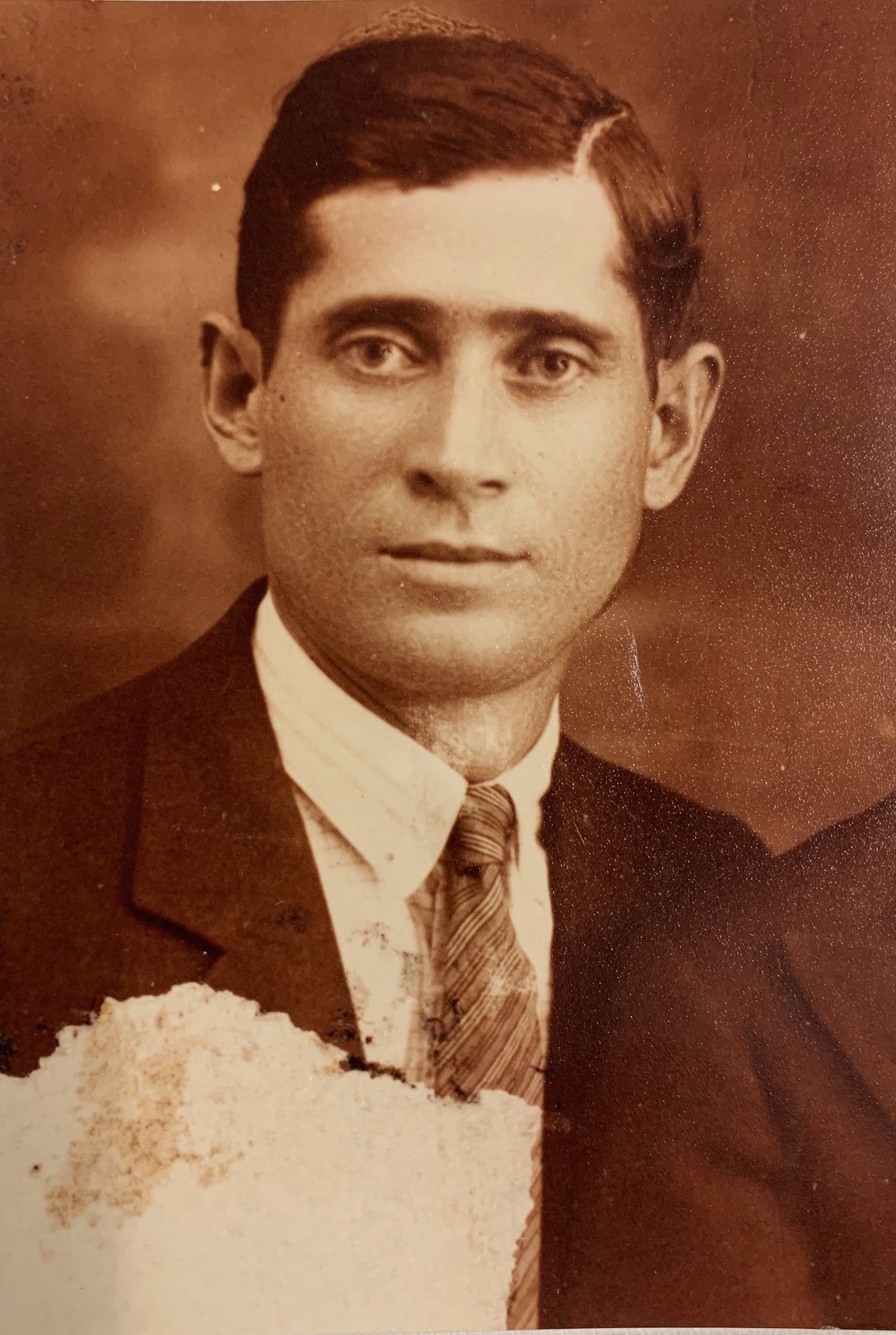
Ann’s father Leb Pomeraniecz , photo taken in the mid 1930s. He was killed in 1942 in Bronagura, Belarus.
A. Kaye Gallery 3
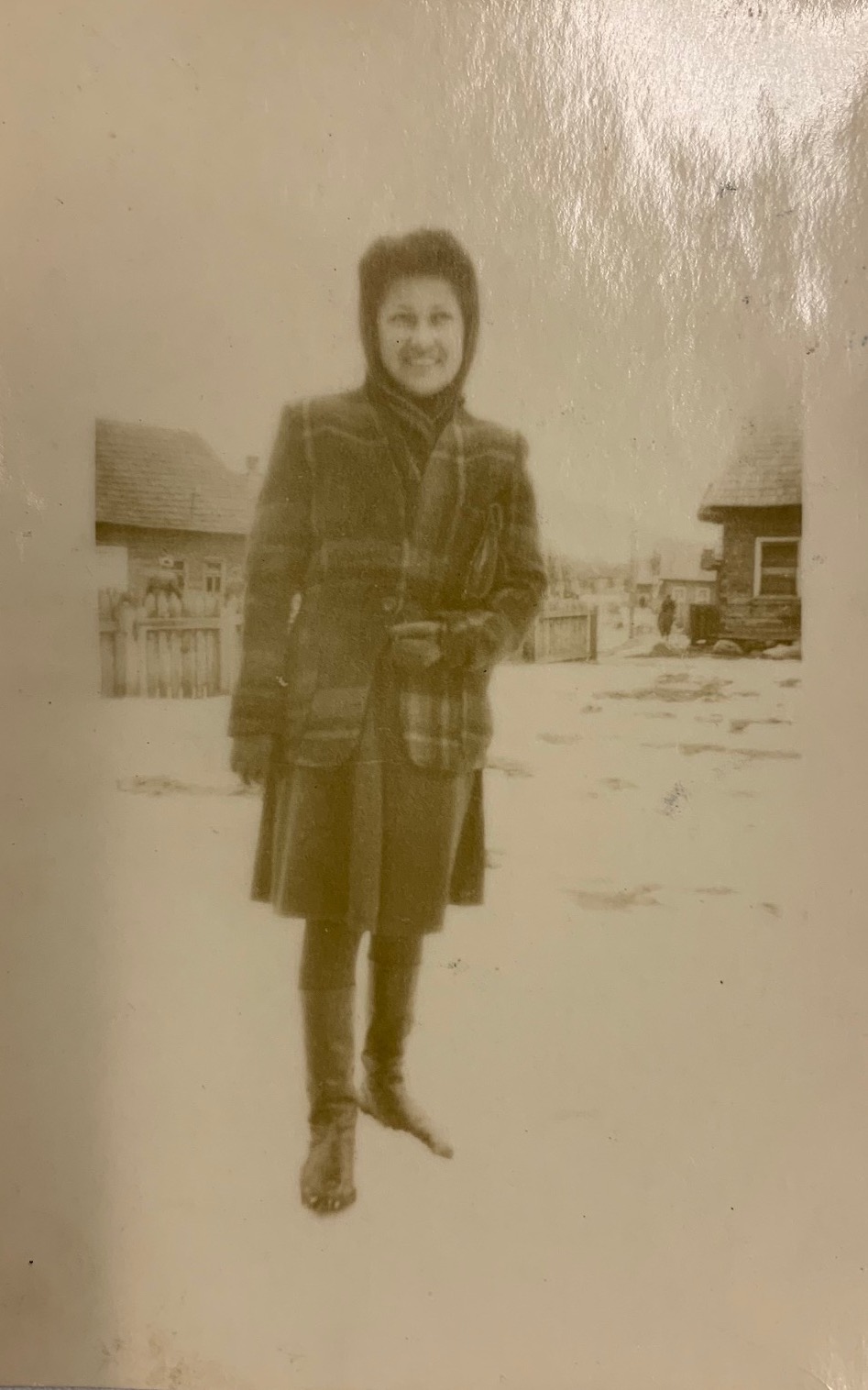
A photo of Ann, wearing winter clothes and boots, noted “First photo of Anne after the war” on the back. Germany, 1946.
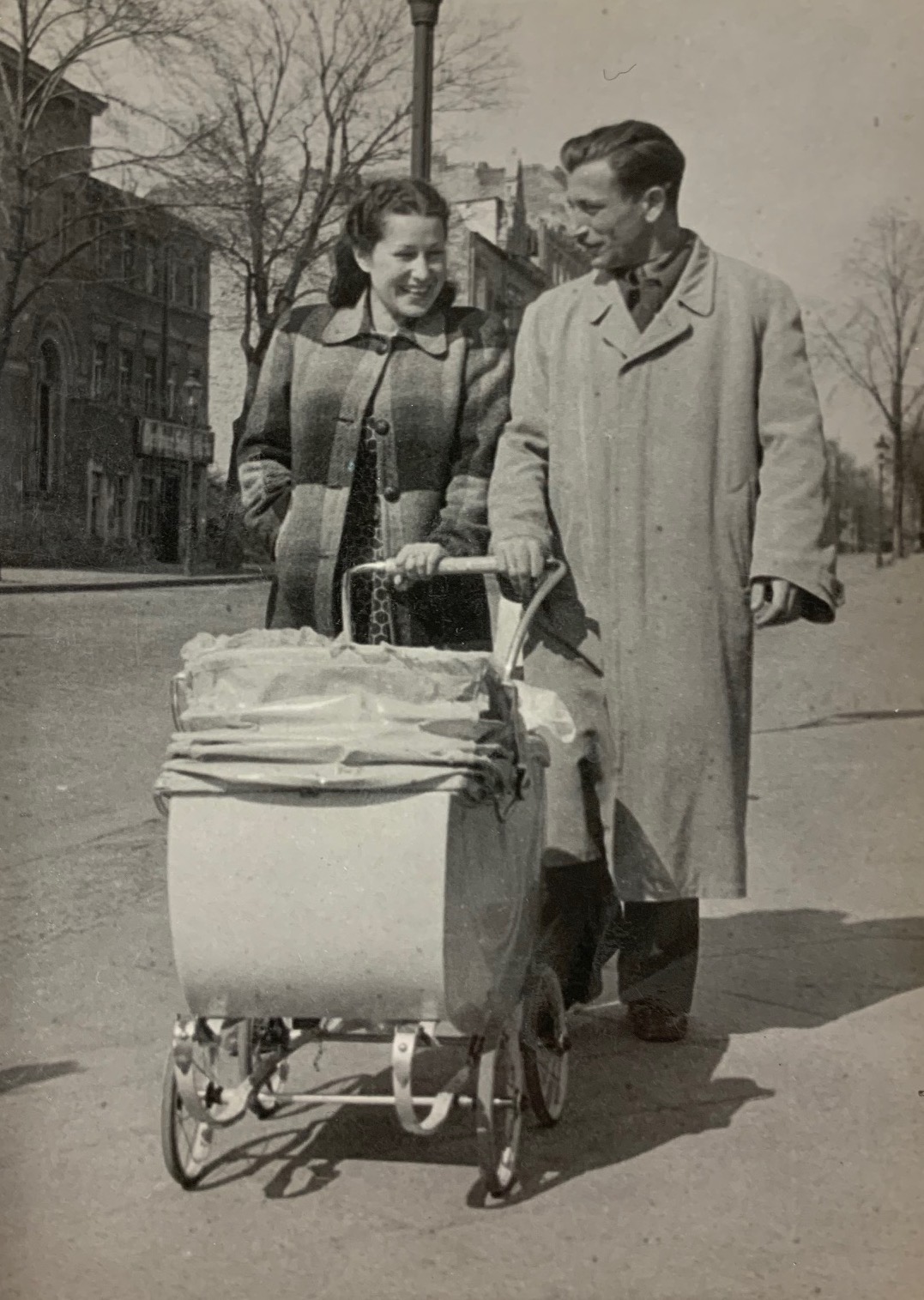
A. Kaye Gallery 4
Ann and Ed Kaye, going for a walk with their baby girl. Berlin, Germany 1947.
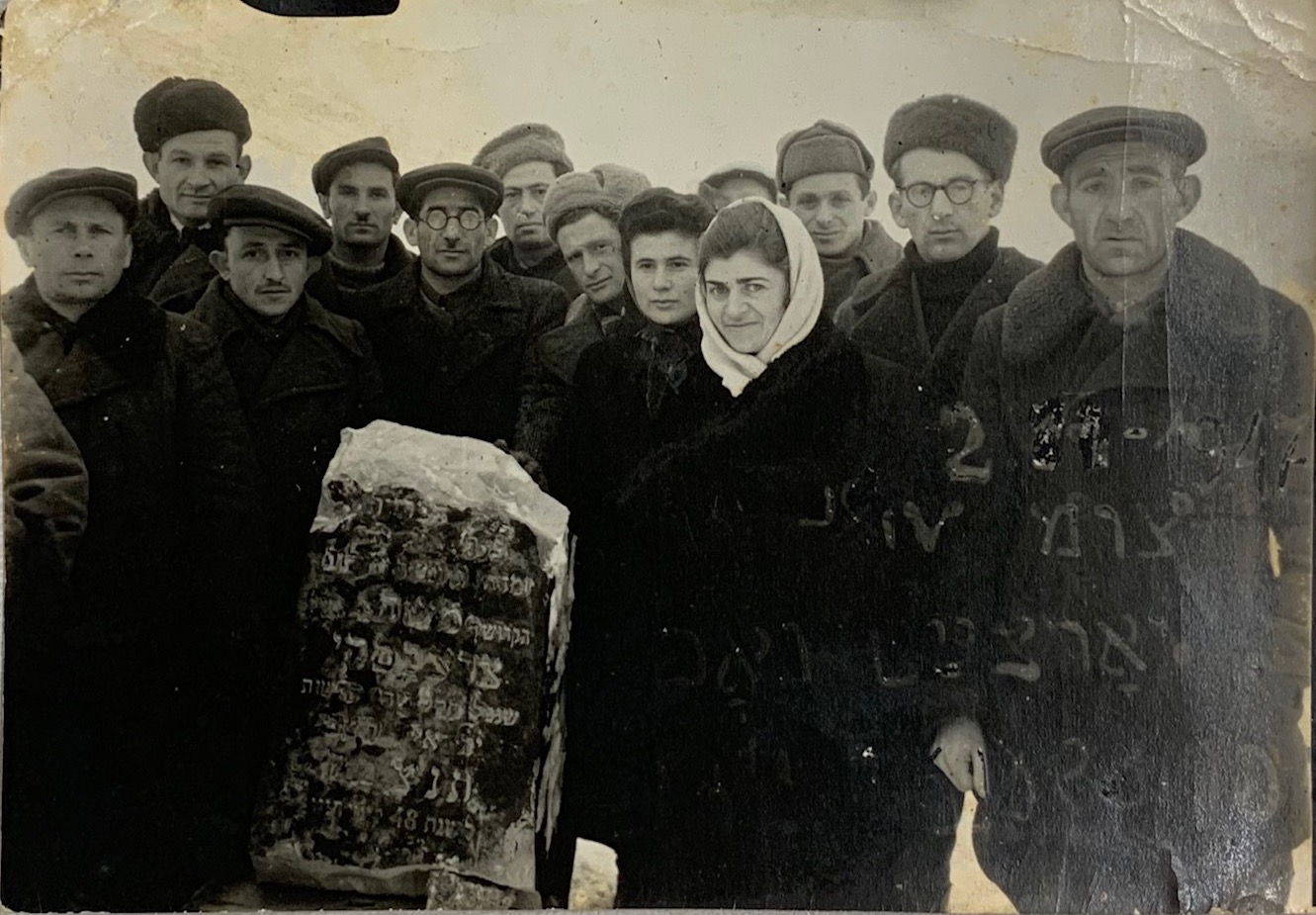
A. Kaye Gallery 5
Group of survivors at the Pruzhany Cemetery after Liberation, 1945. Ann is third on the right, wearing a white scarf on her head, standing around a broken grave stone.
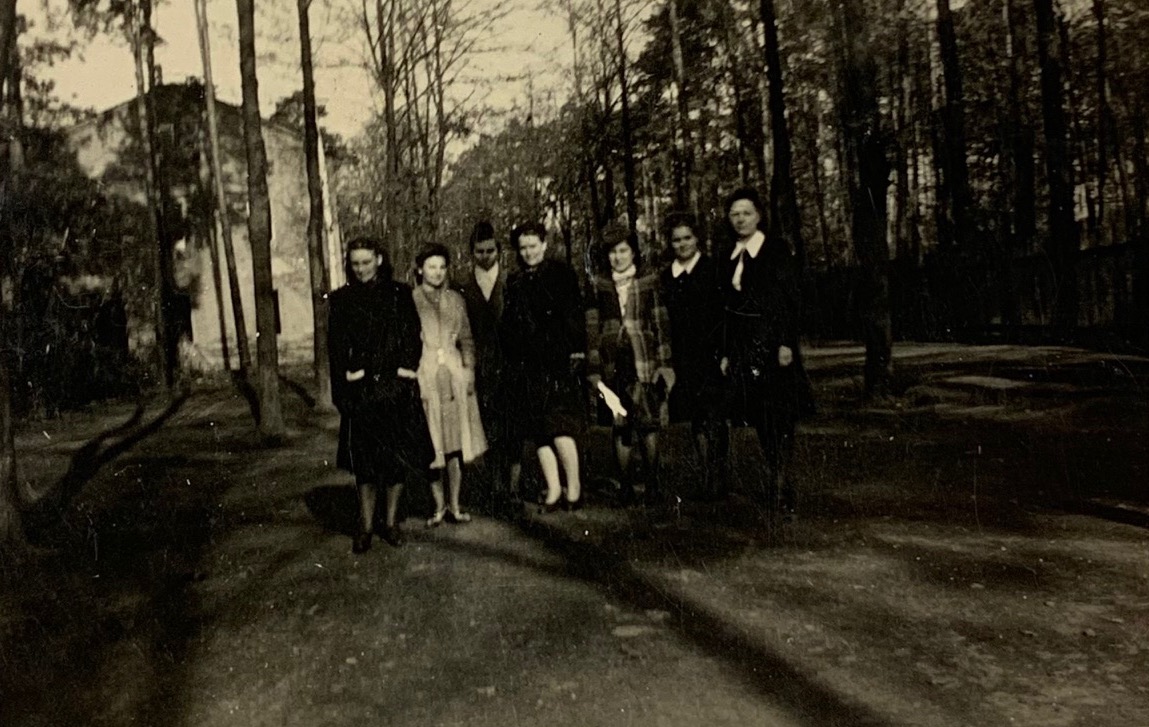
A. Kaye Gallery 6
Seven young women standing in front of trees. Ann is third on the right, wearing a plaid coat, face is circled by a pencil marking. 1945.
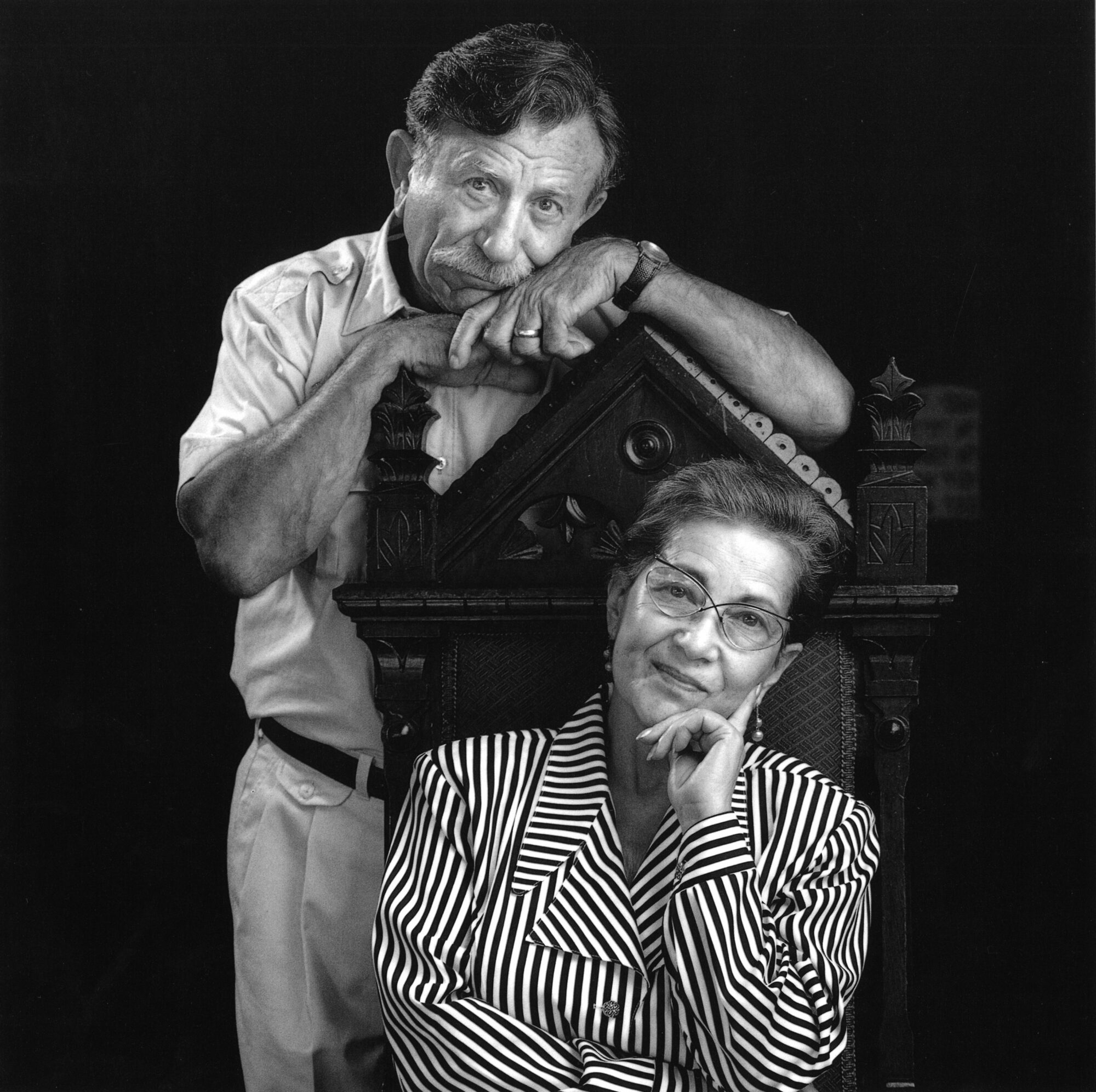
A. Kaye Gallery 7
Ed and Ann Kaye, 1997. Seattle, WA.