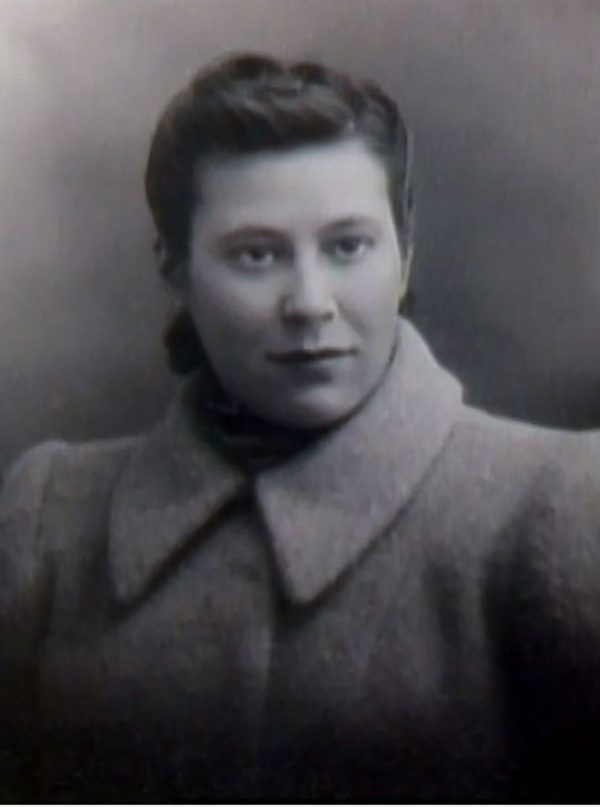
Leon Matalon
1917-1992
Leon Matalon was born on October 15, 1917, in Salonika, Greece. His father, Solomon Matalon, worked as a government employee for the railway system, where he served as the director of the office of controls. Leon grew up with two younger siblings, Raoul and Alegra, surrounded by a large extended family. Leon was especially close to his uncle Maurice, whom he visited every week. He attended Italian and Greek schools, where he first experienced exclusion because he was Jewish. Although Leon was excused from Christian prayers, no Jewish prayers were offered in their place.
From 1938 to 1940, Leon served in the Greek army, stationed in Kilkis. Following Italy’s invasion of Greece on October 28, 1940, he was mobilized to defend the country. Greek forces initially pushed the Italian army back, but Germany invaded Greece in April 1941, and the country soon fell under Axis occupation.


After Greece surrendered, most Greek soldiers were released from German detention. When Leon returned to Salonika, he learned that his father had been demoted and that his family had fled to Athens. Leon remained in Salonika, living with his uncle and working for his future father-in-law in the wholesale fabric business.
Under German occupation, life for Salonika’s Jews became increasingly difficult. On July 11, 1942, Leon was among the Jewish men gathered at Liberty Square and forced to perform humiliating exercises under the summer sun. Some 2,000 Jewish were arrested and sent to forced labor for the German Army. Leon was sent to a weapons and ammunition depot outside of Salonika. He was released after the Jewish community paid a ransom.
By February 1943, Jewish residents were forced into ghettos and required to wear yellow stars. Families endured overcrowded living conditions, without heating or running water, while food and medicine became increasingly scarce. After Leon married Fanny Florentin in April 1943, they witnessed Jews being transferred to the Baron Hirsch ghetto in preparation for deportation. Recognizing the danger, the couple decided to join the Greek resistance.
For the next year and a half, Leon and Fanny lived and fought alongside resistance members in the mountains. They endured hunger, inadequate clothing, freezing temperatures, harsh weather, and malaria. Rather than engage in direct confrontations with Axis forces, resistance fighters relied on surprise and mobility. Under the cover of darkness, Leon and other fighters sabotaged highways, bridges, railway tracks, convoys, and telephone lines.
Following Greece’s liberation in October 1944, Leon and Fanny reunited and returned to Salonika. Leon was recalled to the Greek army, serving two years in Salonika and Kilkis. In 1947, they welcomed their daughter, Irene. In September 1951, with assistance from HIAS, the family immigrated to the United States. They left Salonika for New York before settling in Seattle, Washington. Their son, Steve, was born in the United States.
In Seattle, Leon worked at a luggage store before establishing his own business with his brother in the 1970s. He also shared his Holocaust experiences with high school students, educating younger generations about the persecution of European Jews and the courage of those who resisted Nazi occupation. Leon Matalon passed away on July 19, 1992.
Video Testimony – Leon Matalon
Liberty Square 1942
Deportations to Baron Hirsch Ghetto
Joining the Resistance
Full Testimony 1991
Photo Gallery – Leon Matalon
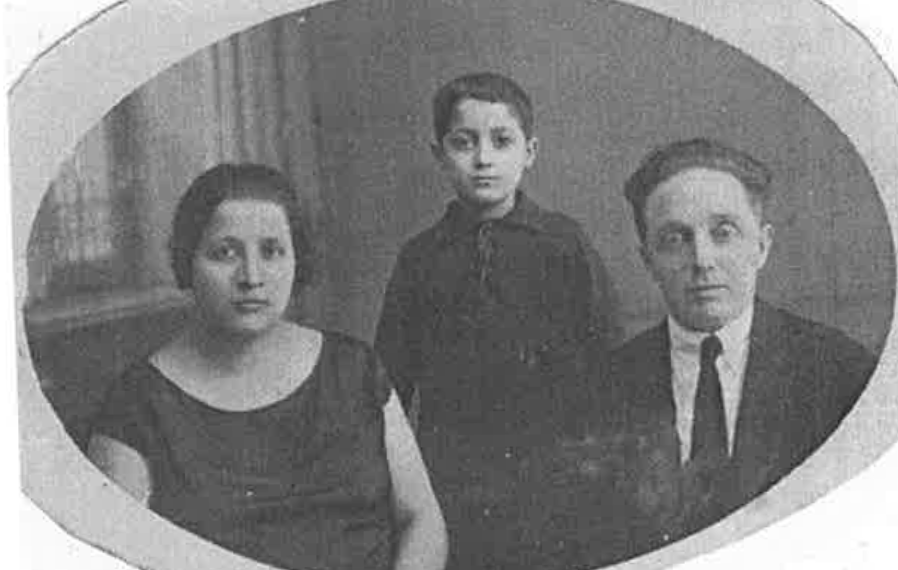
L. Matalon Gallery 1
Leon with his parents, Solomon and Eleonora Matalon.
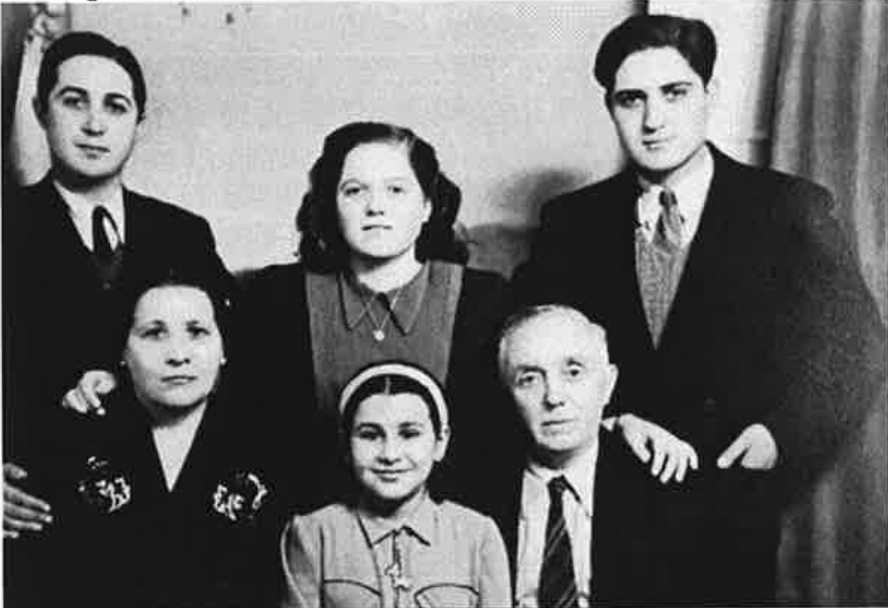
L. Matalon Gallery 2
Leon (rear left) with his parents and siblings, Alegra and Raoul.
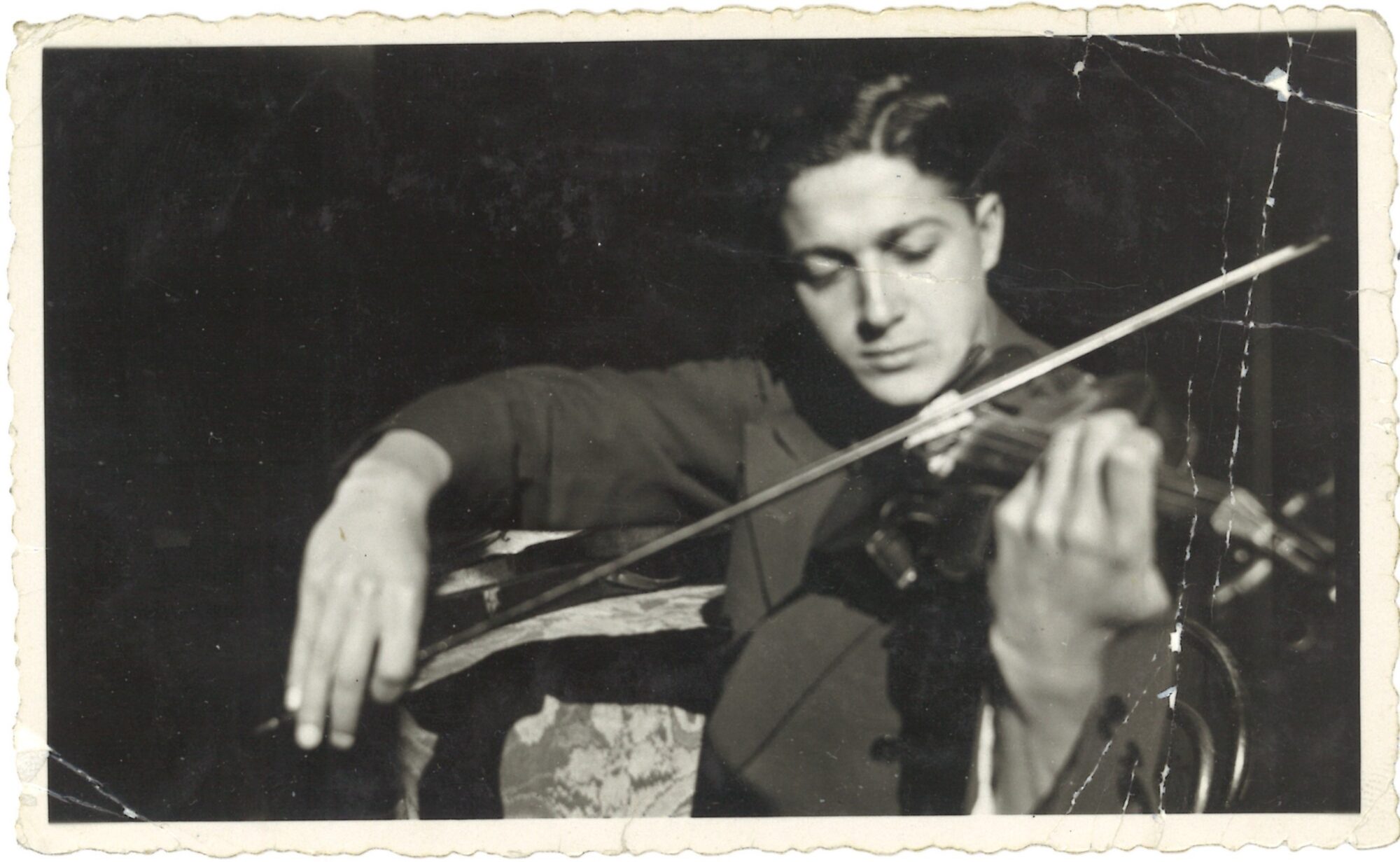
L. Matalon Gallery 3
A photograph of Leon playing the violin. He wrote a composition for violin for his grandfather’s funeral.
L. Matalon Gallery 4
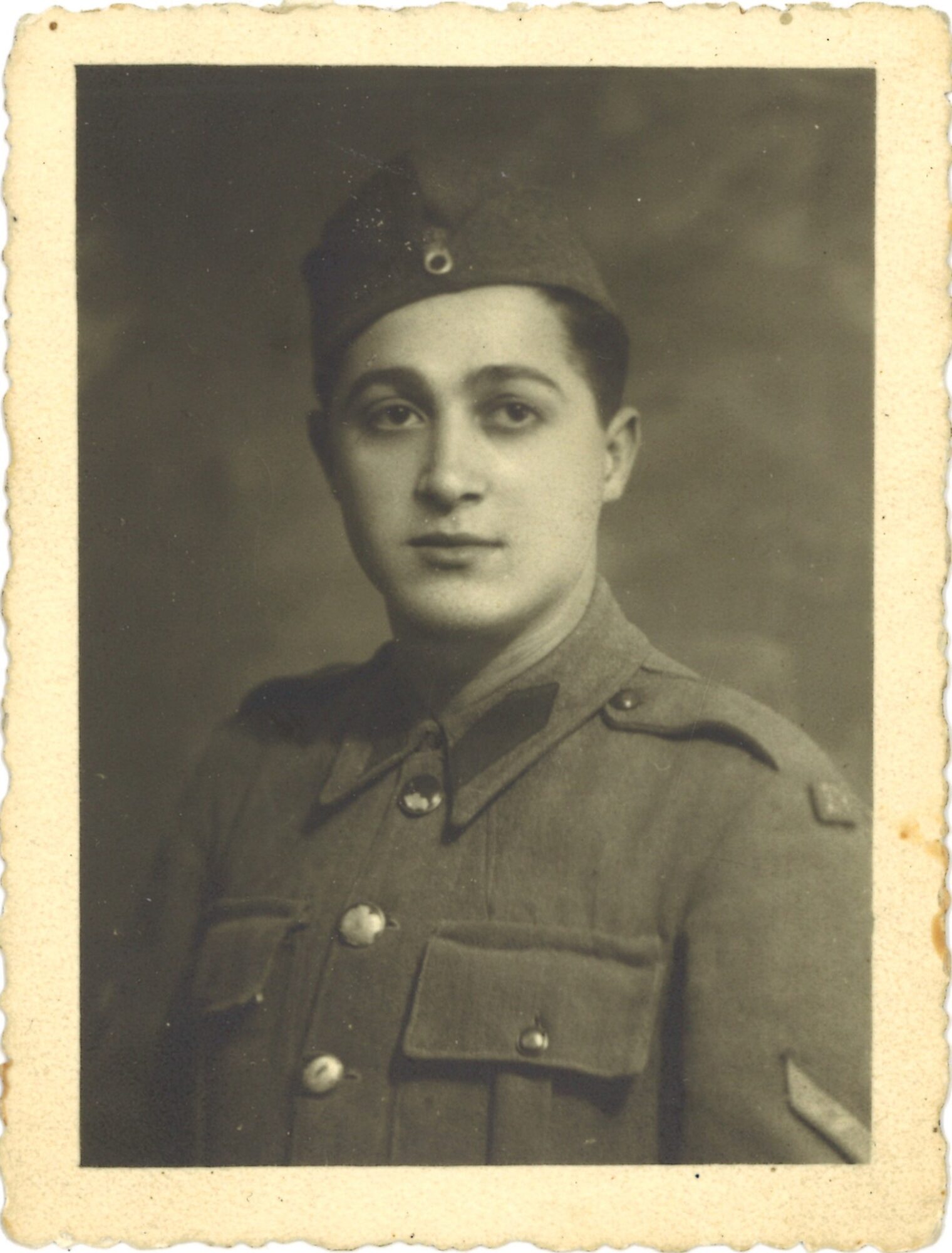
Leon in his Greek military uniform, 1940.
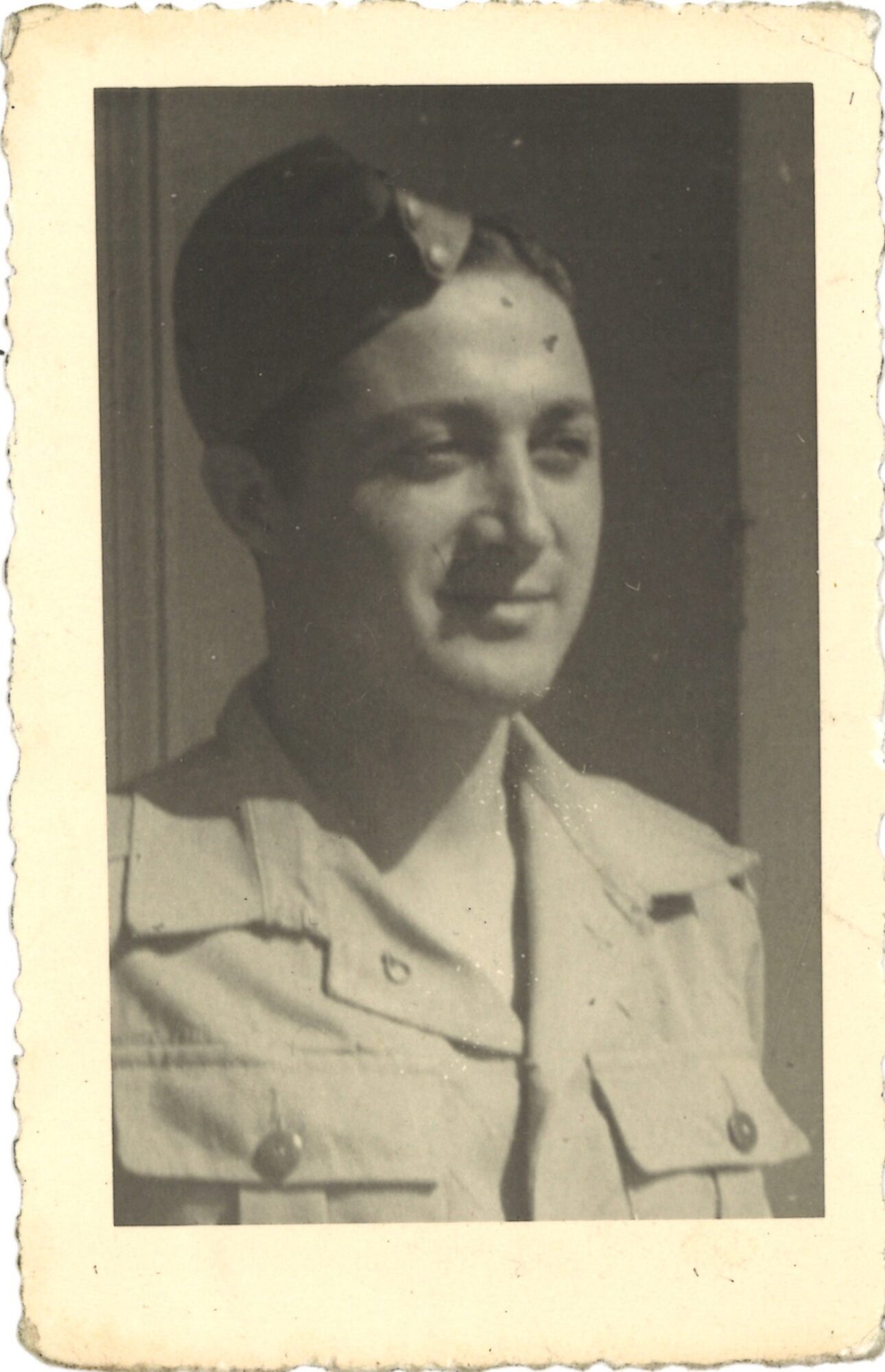
L. Matalon Gallery 5
Leon in his Greek military uniform, date unknown.
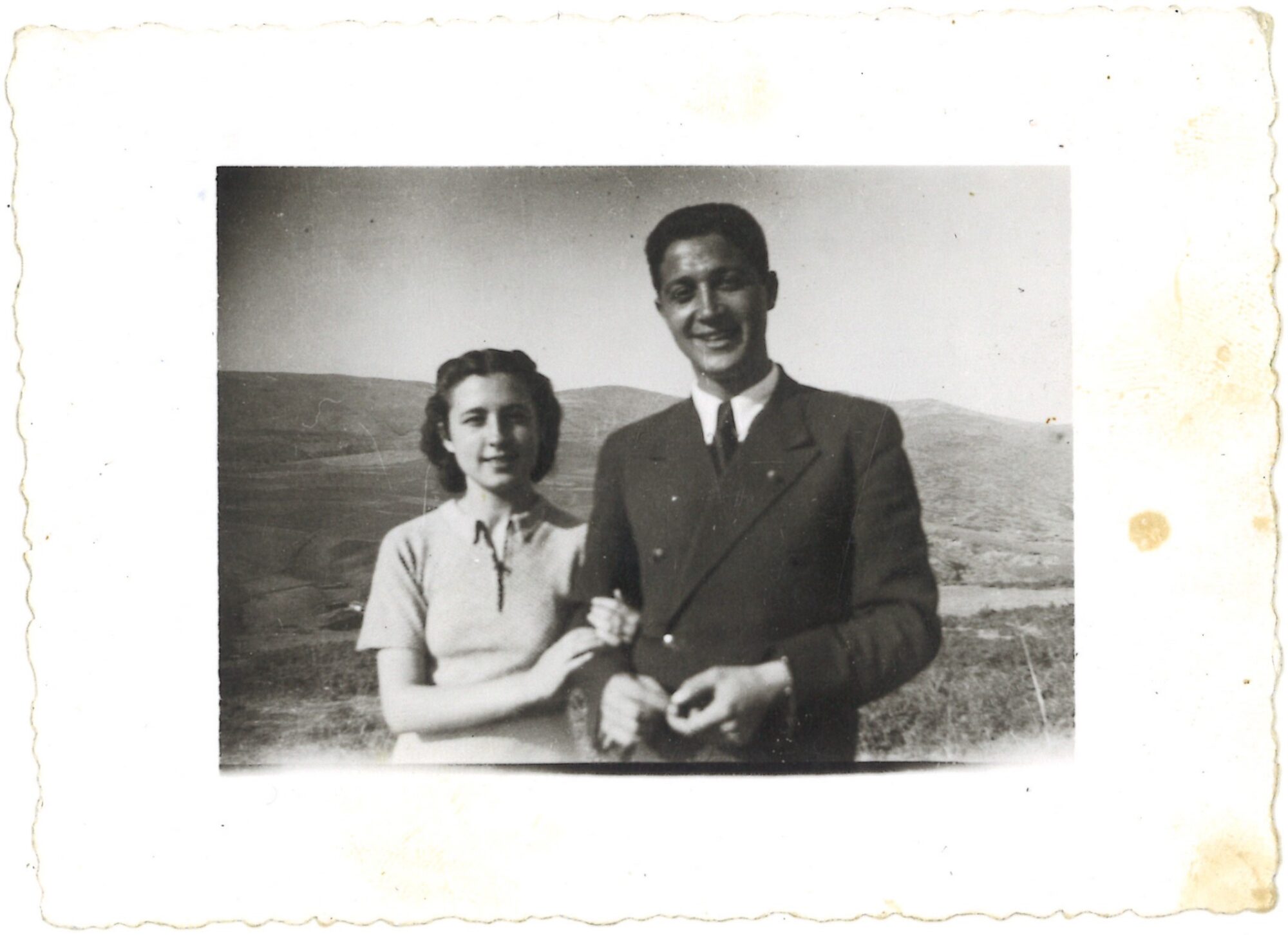
L. Matalon Gallery 6
Leon and Fanny, 1940.
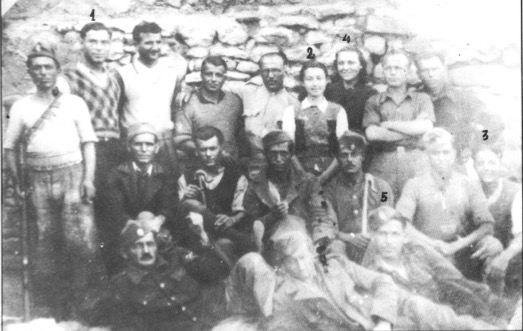
L. Matalon Gallery 7
Leon (individual 3) and Fanny with the guerilla group in the Greek mountains, 1943.
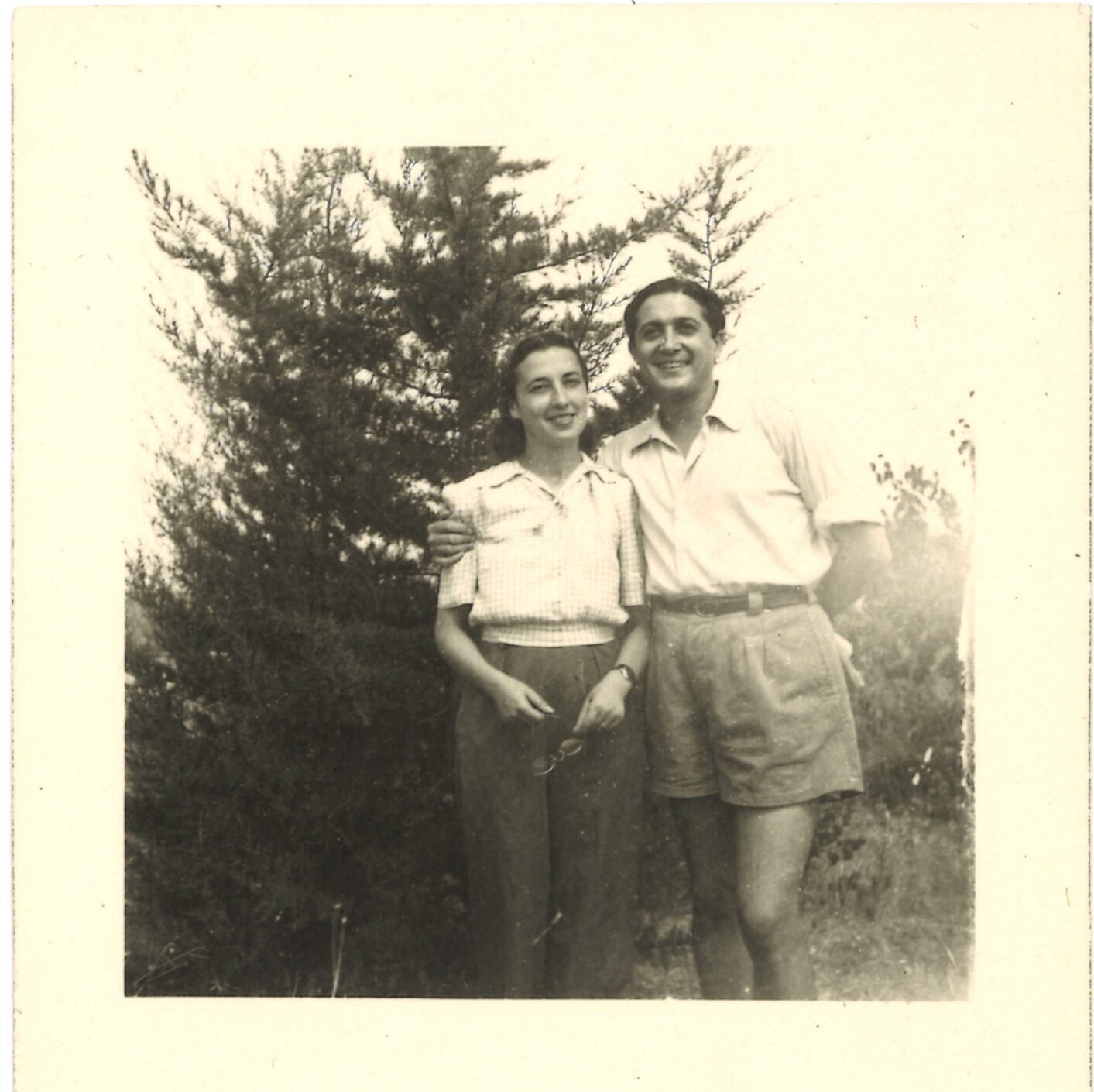
L. Matalon Gallery 8
Leon and Fanny after the war, 1946.
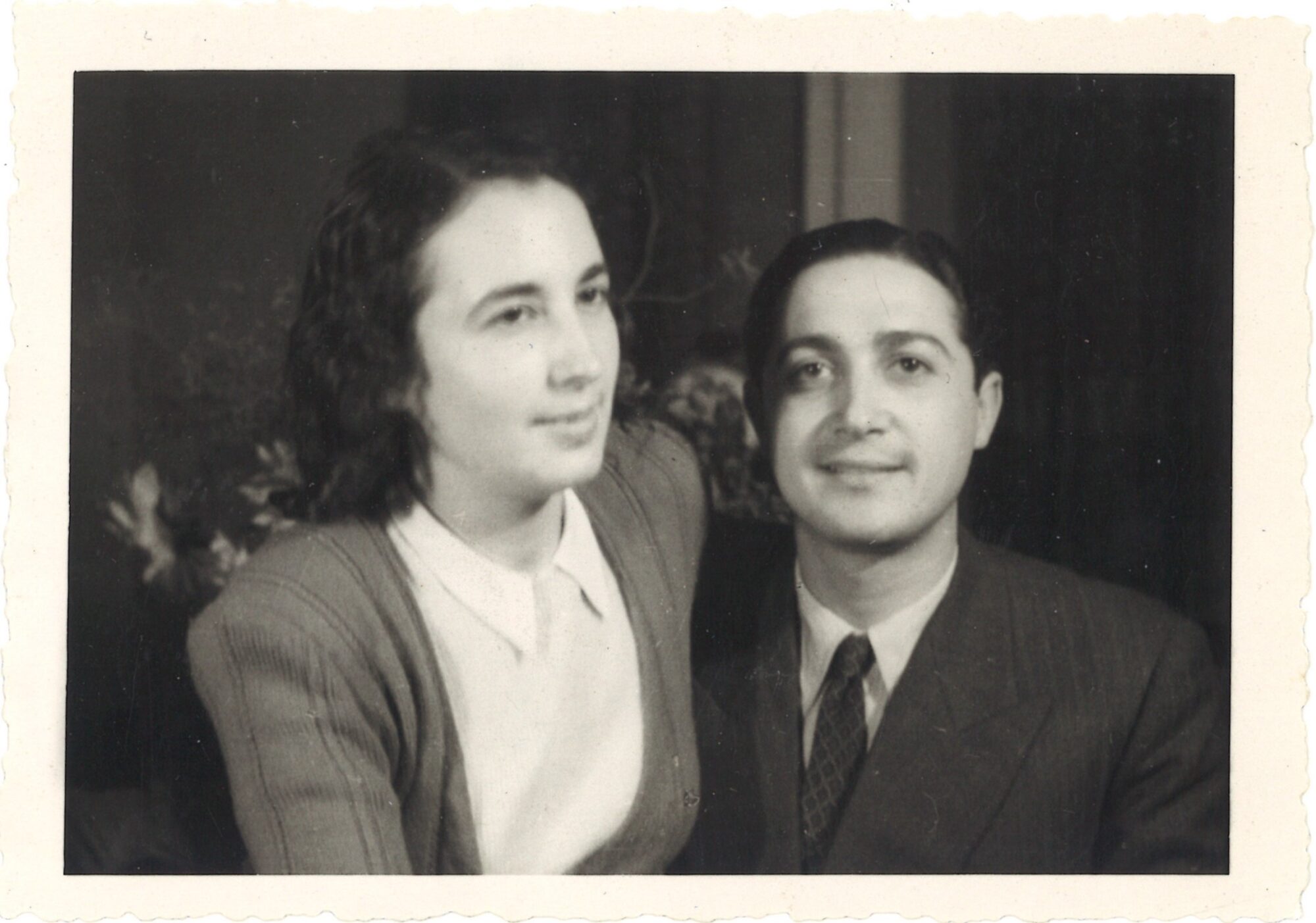
L. Matalon Gallery 9
A portrait of Leon and Fanny, date unknown.
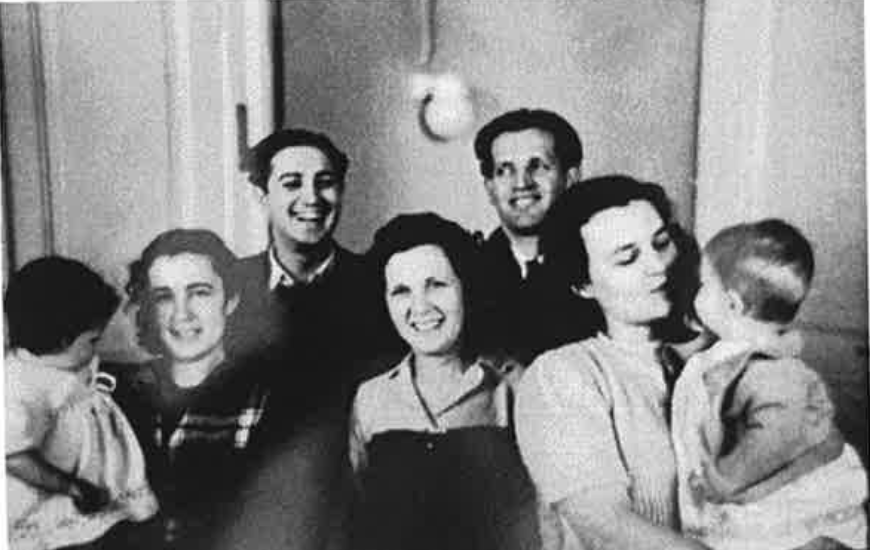
L. Matalon Gallery 10
Leon and Fanny with their daughter Irene (left), Maidy, Stratos, Mimi, and Costis in Greece.
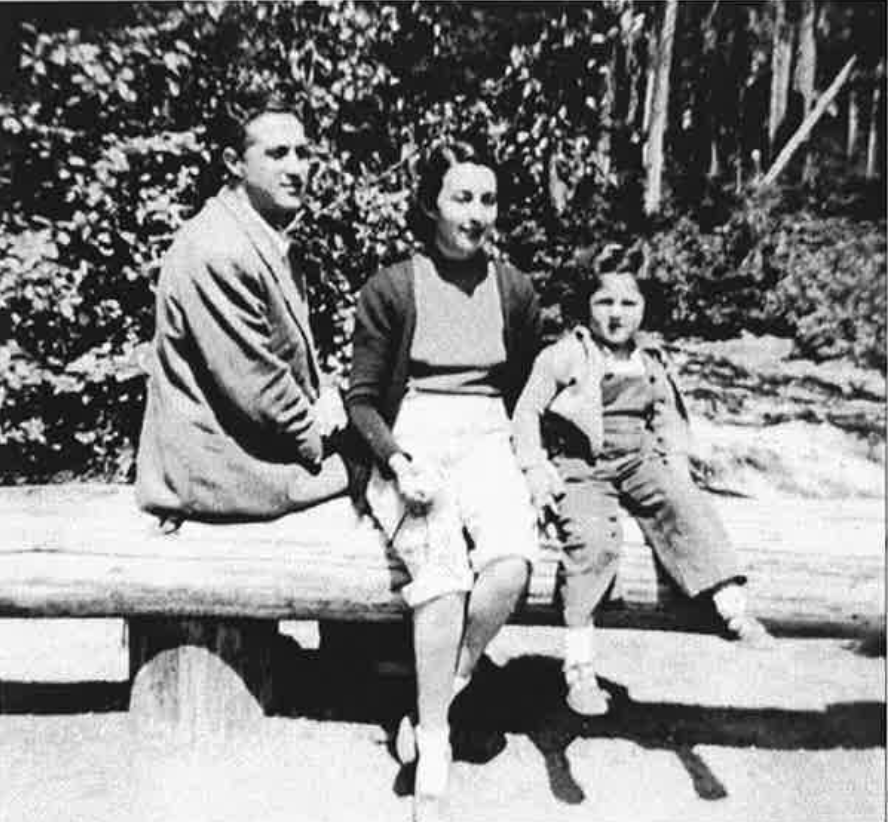
L. Matalon Gallery 11
Leon and Fanny with Irene in Seattle, Washington.
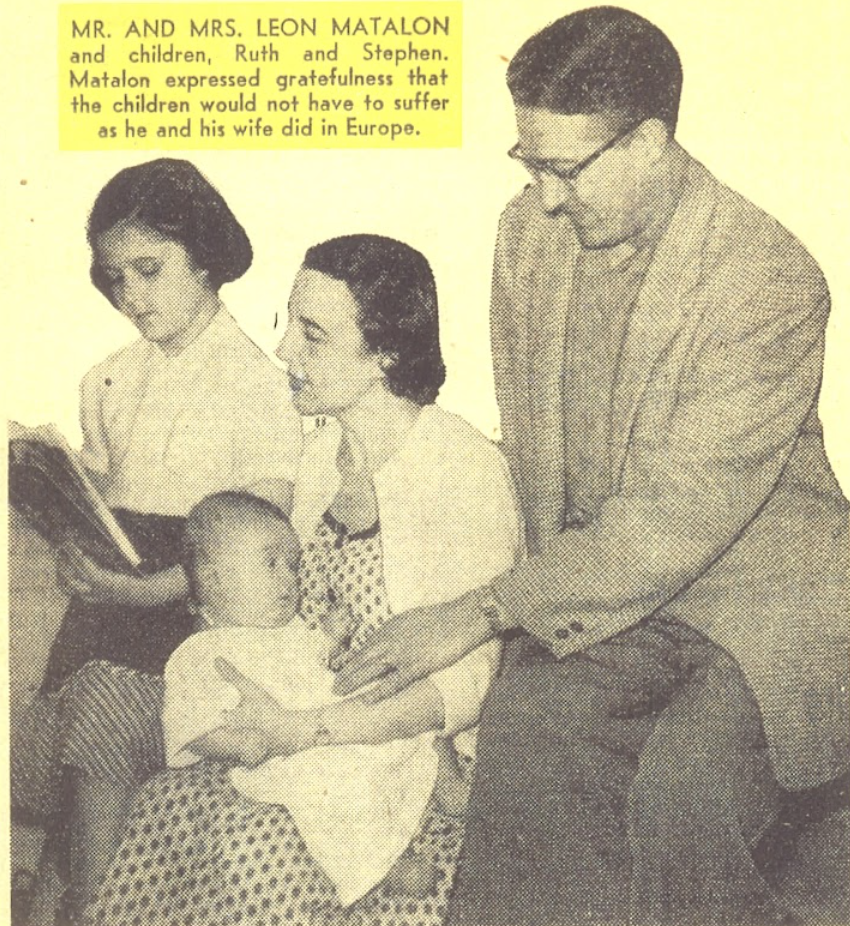
L. Matalon Gallery 12
Leon and Fanny with their two children, Irene and Steve. Seattle Times, 3 July 1955.
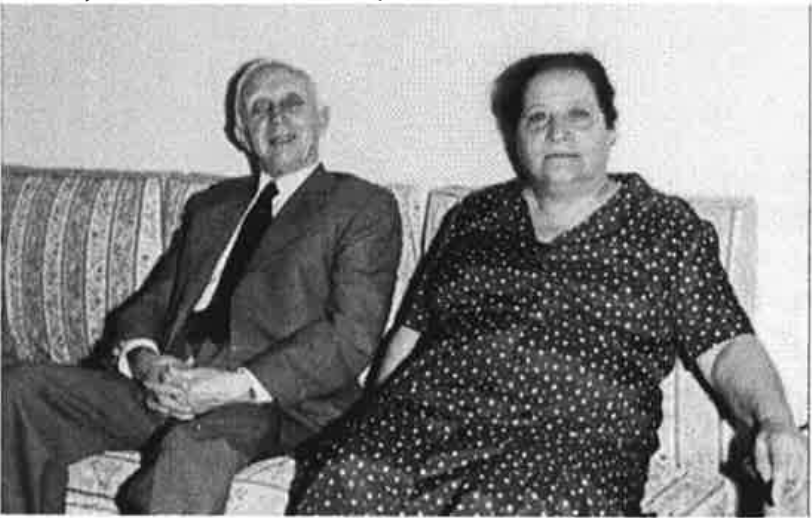
L. Matalon Gallery 13
Leon’s parents, Solomon and Eleonora Matalon.
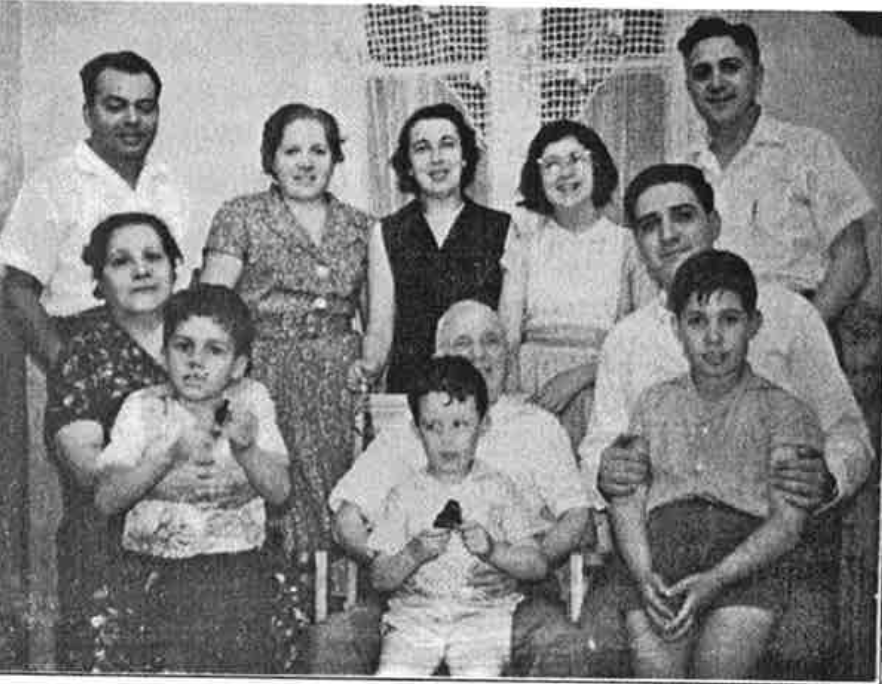
L. Matalon Gallery 14
Reunion with Leon’s family in 1960.