Fanny Matalon
1920-2010
Fanny Grace Florentin was born on April 24, 1920, in Salonika, Greece. Her father, Moise Florentin, was a businessman who sold ladies’ fabric wholesale. Fanny remembered her childhood as sweet, carefree, and joyful. She grew up with her younger sister, surrounded by cousins who were like siblings. Fanny briefly attended a Greek primary school before continuing her education in French at the Lycée de Garçons. While training to be a nurse, Fanny met her husband Leon Matalon.
Following Italy’s invasion of Greece in October 1940, Fanny was called by the Red Cross to care for wounded soldiers at a first aid station in the Port of Salonika. She later worked with YMCA before transferring to Papafi Hospital. Fanny recalled how many soldiers arrived from the front without proper clothing and suffered from frostbite during the winter. While Leon served at the Albanian front, she kept busy knitting him socks, gloves, and jackets to help protect him from the cold.


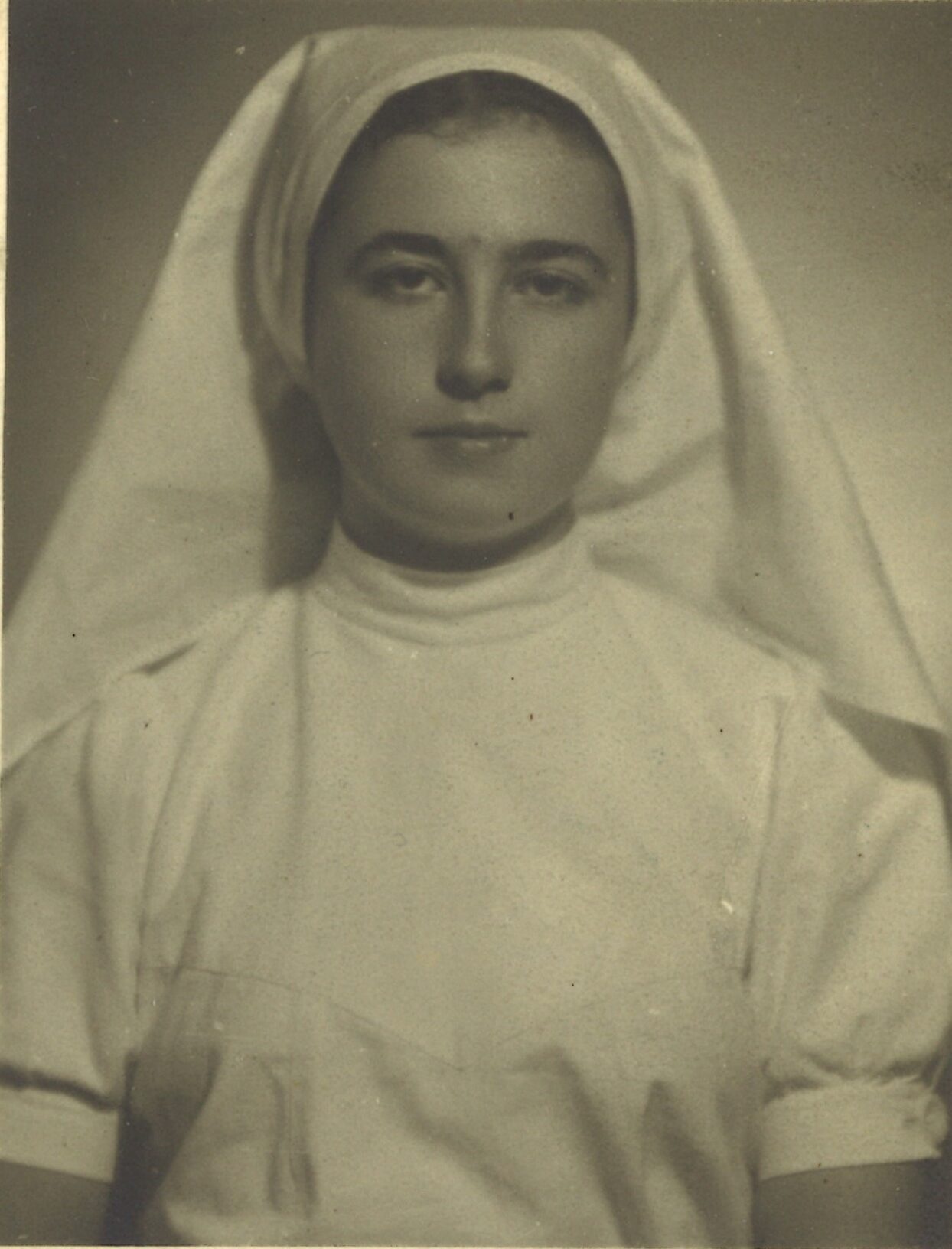
In March 1941, Germany invaded Greece from the Bulgarian border. As German forces advanced, wounded Greek soldiers were transferred to hospitals further south. At her parents’ urging, Fanny traveled to Volos with other medical staff from Salonika. After receiving a letter from Leon, who had returned from the front, Fanny returned to Salonika. She continued volunteering with the Red Cross, helping at soup kitchens several days a week.
By February 1943, Jewish residents were forced into ghettos and required to wear yellow stars. Families endured overcrowded living conditions, without heating or running water, while food and medicine became increasingly scarce. After Fanny married Leon Matalon in April 1943, they witnessed Jews being transferred to the Baron Hirsch ghetto in preparation for deportation. Recognizing the danger, the couple decided to join the Greek resistance.
For the next year and a half, Fanny worked as a nurse with the resistance in the mountains. She joined a small medical team consisting of a doctor and another nurse. They moved from village to village, establishing temporary hospitals and treating wounded resistance members and local residents. They endured hunger, freezing temperatures, and harsh weather. Clothing and medical supplies were scarce.
For several months, Fanny and Leon were separated. They kept in touch through letters delivered by people visiting the hospitals where Fanny worked. Then, in the summer of 1944, German forces captured Fanny and her medical team while they were moving between villages. She was interrogated and transferred to Pavlou Mela concentration camp in Salonika, where other Greek partisans were imprisoned. For two months, she was forced to work at an arms depot.
With the help of her brother-in-law Stratos Paraskevaidis and the Red Cross, Fanny’s release was eventually negotiated. During this time, she learned that her sister had survived by avoiding deportation and going into hiding. Together, they stayed on a farm until German forces withdrew from Greece in October 1944. Fanny and Maidy were the only two of their family to survive; the rest of their family was murdered in Auschwitz in 1943.
After the war, Fanny and Leon were reunited and returned to Salonika. In 1947, they welcomed their daughter, Irene. In September 1951, with assistance from HIAS, the family immigrated to the United States. They traveled to New York before settling in Seattle, where their son, Steve, was born.
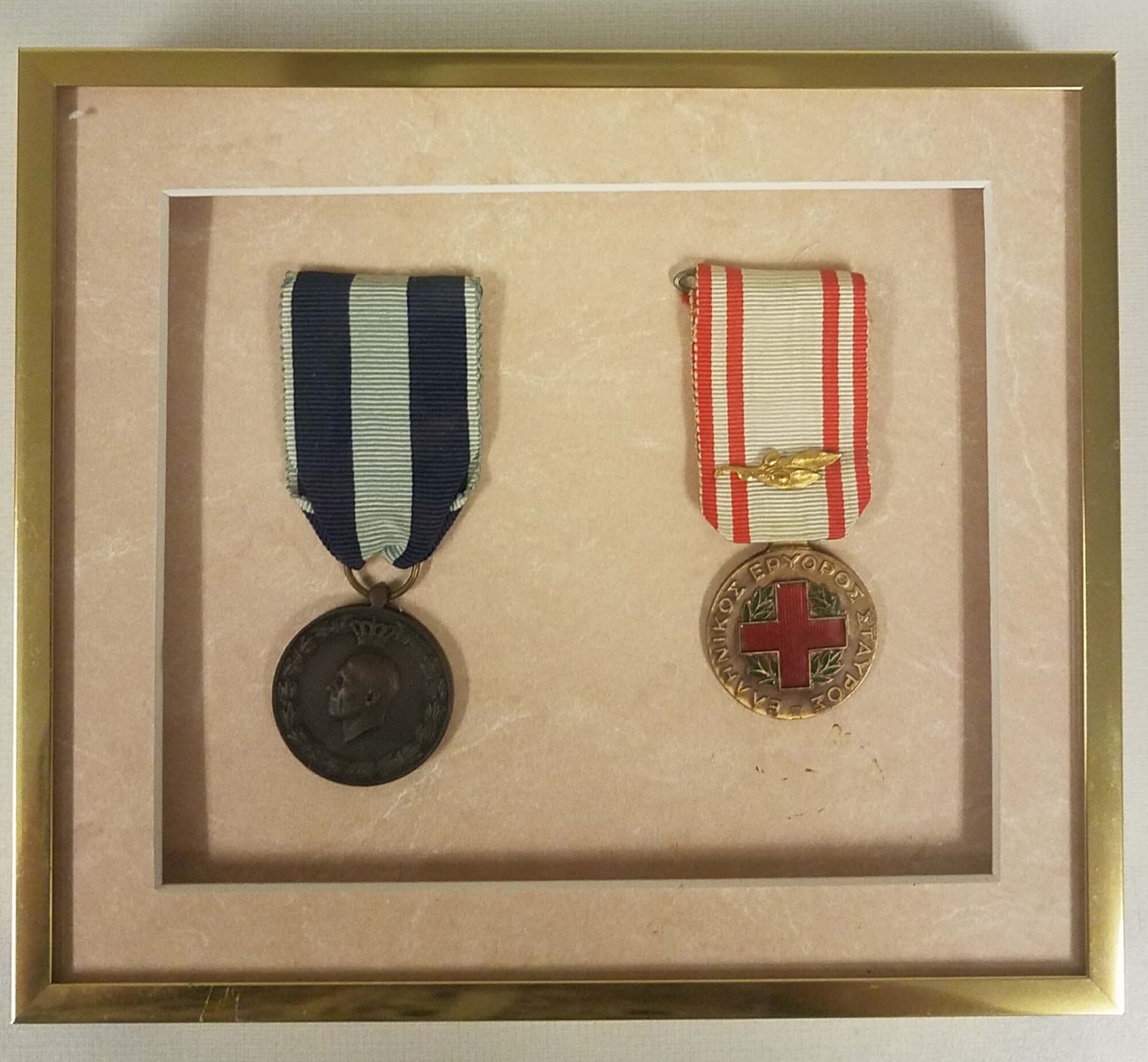
In 1986, Fanny was awarded Greek Red Cross medals in recognition of her service as a volunteer nurse during World War II. Throughout the war, she demonstrated courage and compassion while caring for wounded soldiers and treating resistance fighters, risking her own safety. Fanny Grace Matalon passed away on June 2, 2010.
Photo Gallery – Fanny Matalon
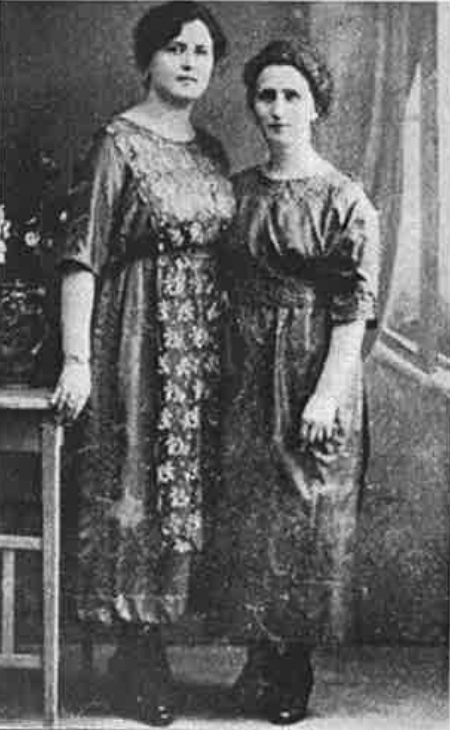
F. Matalon Gallery 1
Fanny’s mother, Irene Naar Florentin, with her sister Elise.
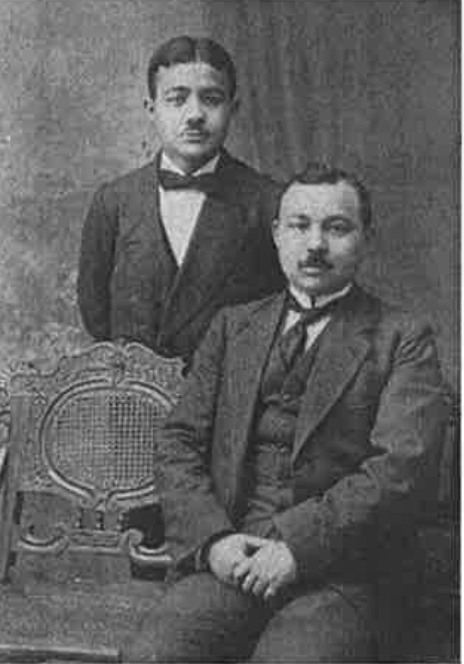
F. Matalon Gallery 2
Fanny’s father, Moïse Florentin, seated with his brother Albert.
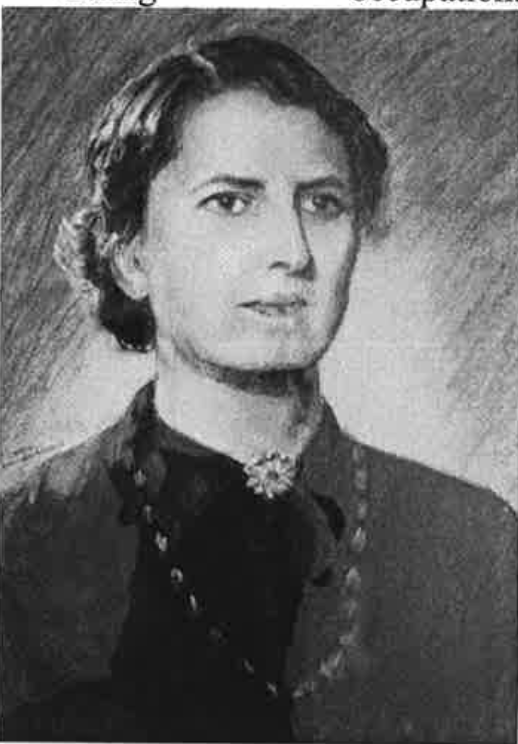
F. Matalon Gallery 3
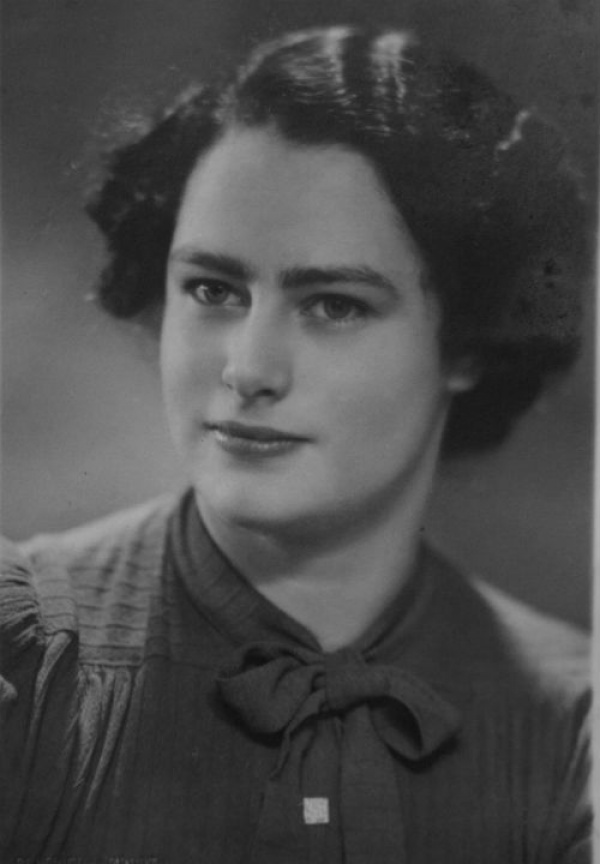
A portrait of Irene Florentin.
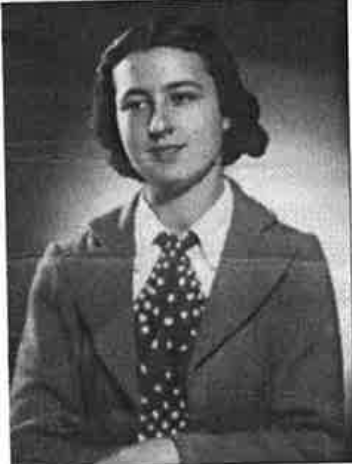
F. Matalon Gallery 4
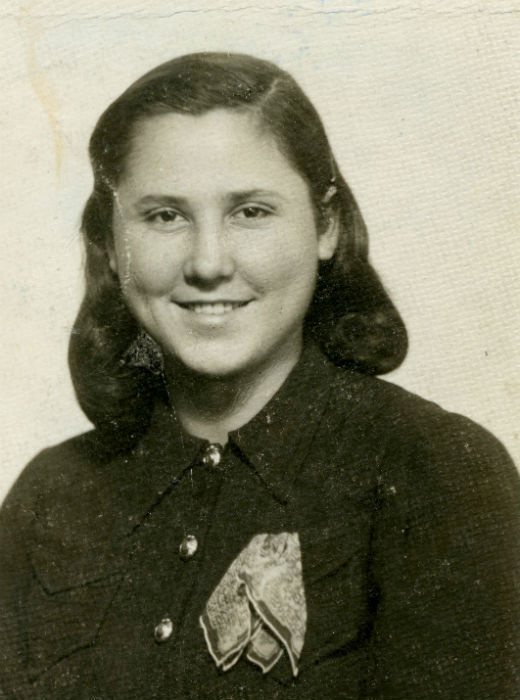
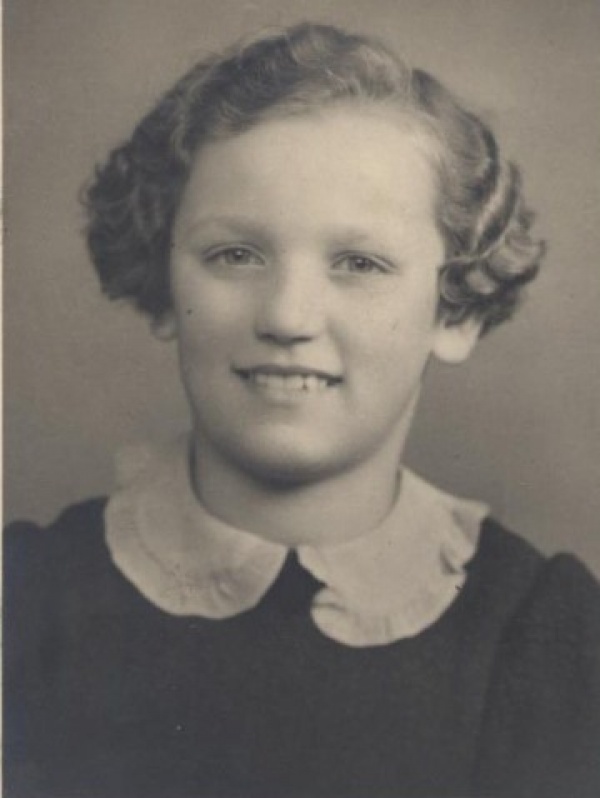
Fanny in her school uniform.
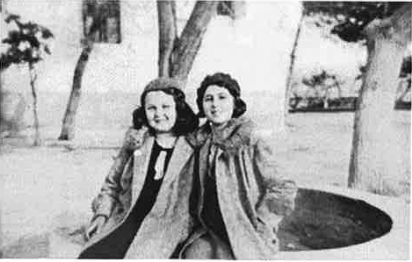
F. Matalon Gallery 5
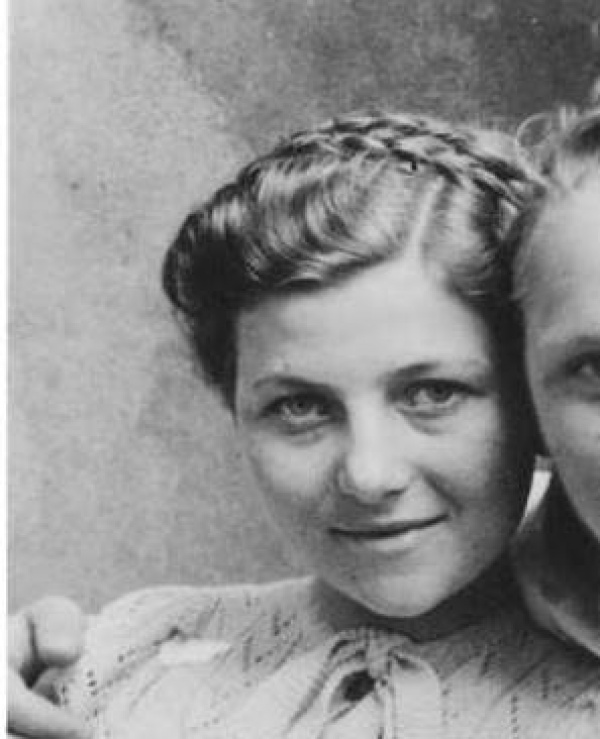
Fanny (right) with her younger sister, Maidy.
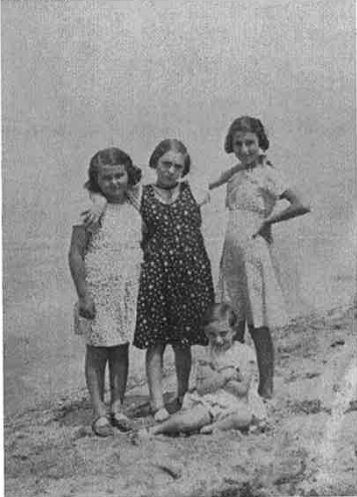
F. Matalon Gallery 6
Fanny (right) with her sister (left) and friends.
F. Matalon Gallery 7
Fanny in her Red Cross uniform. 1939.
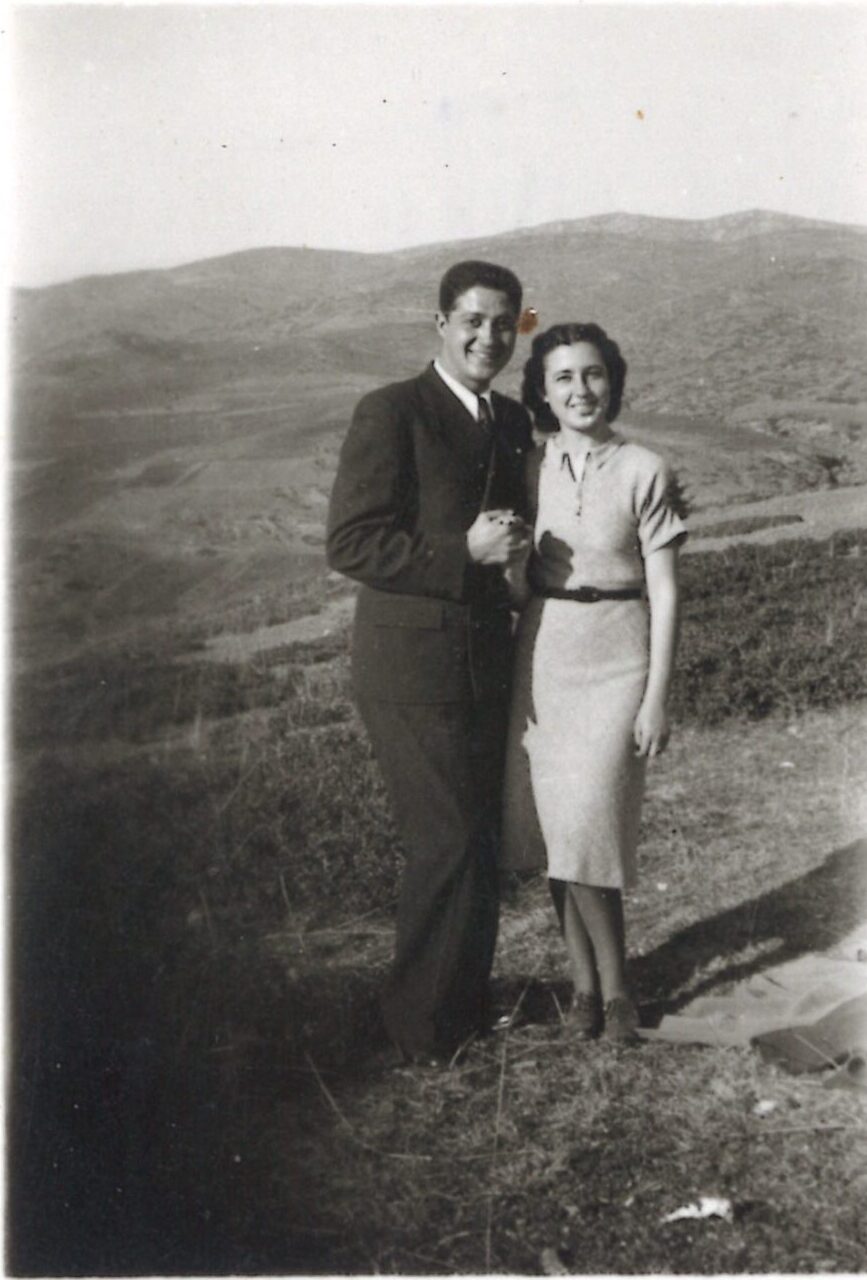
F. Matalon Gallery 8
Fanny and Leon. 1940.
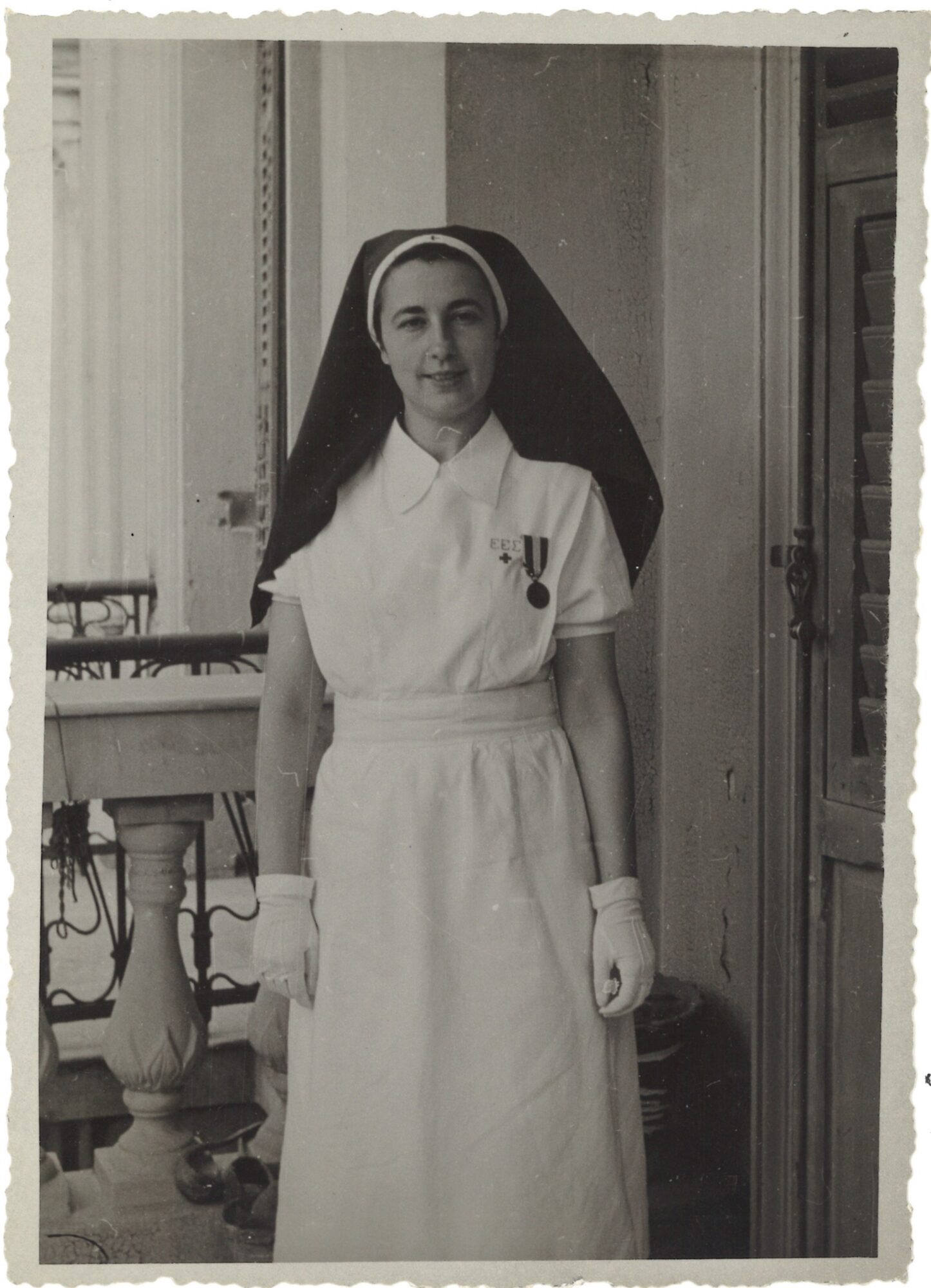
F. Matalon Gallery 9
Fanny in her Red Cross uniform.
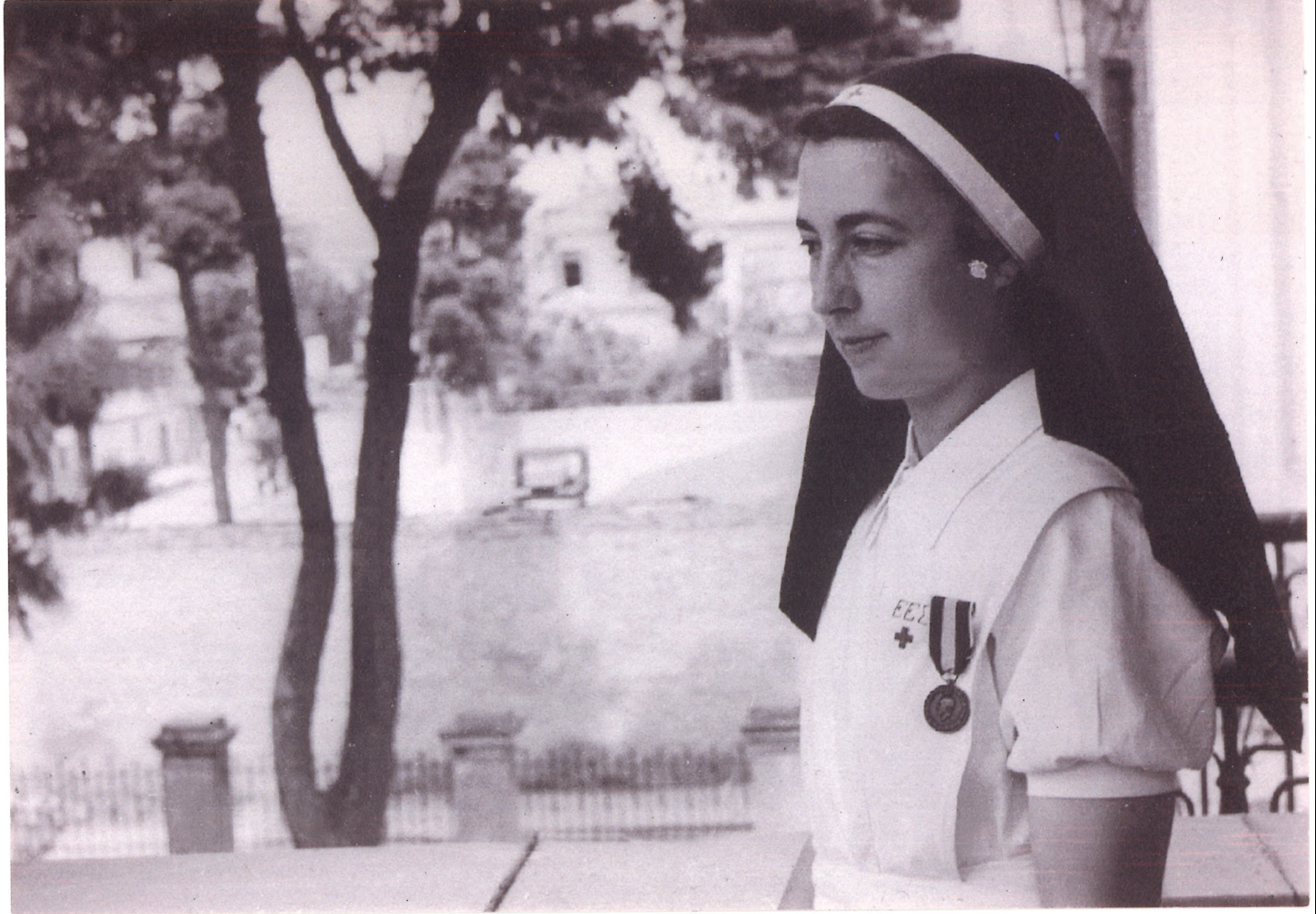
F. Matalon Gallery 10
Fanny in her Red Cross uniform. The medal she wears indicates that she served on the front lines.
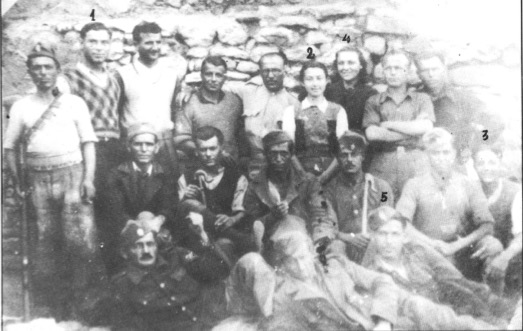
F. Matalon Gallery 11
Fanny (individual 2) and Leon with the resistance group in the Greek mountains. 1943.
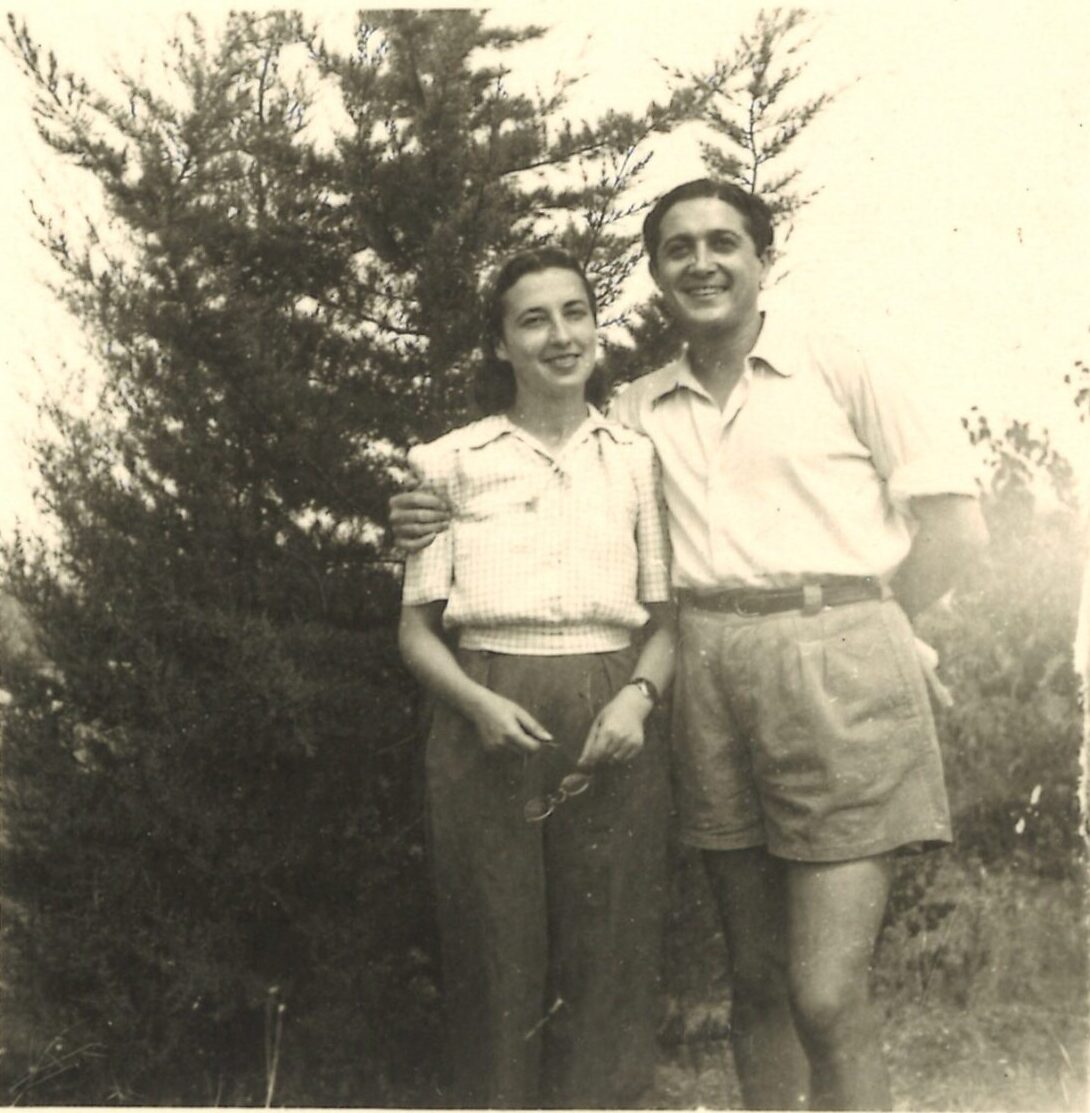
F. Matalon Gallery 12
Leon and Fanny after the war, 1946.
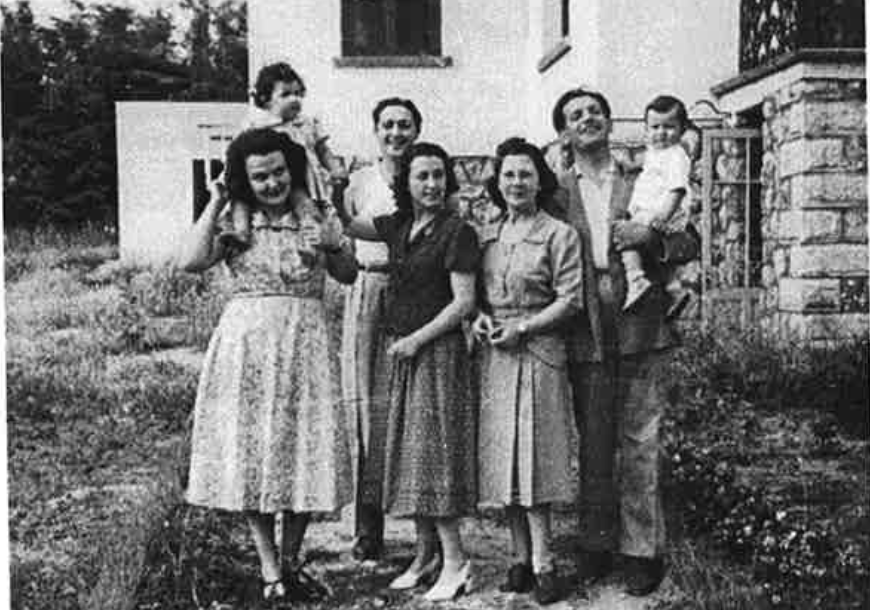
F. Matalon Gallery 13
Maidy, Irene, Leon, Fanny, Mimi, Stratos, and Costis after the war.
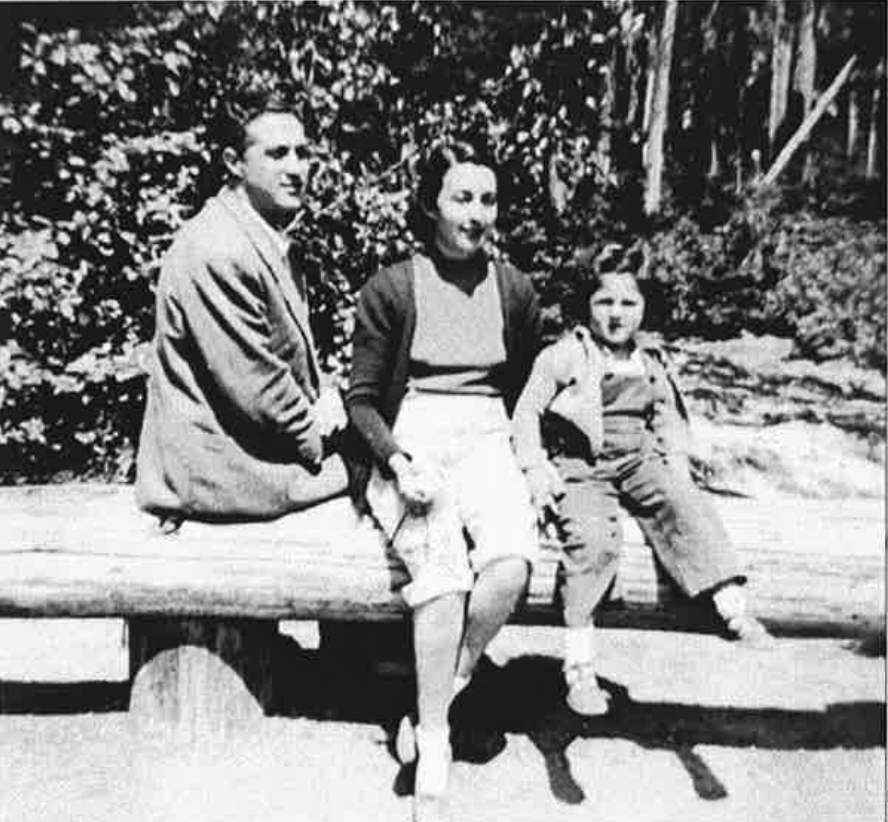
F. Matalon Gallery 14
Leon and Fanny with Irene in Seattle, Washington.
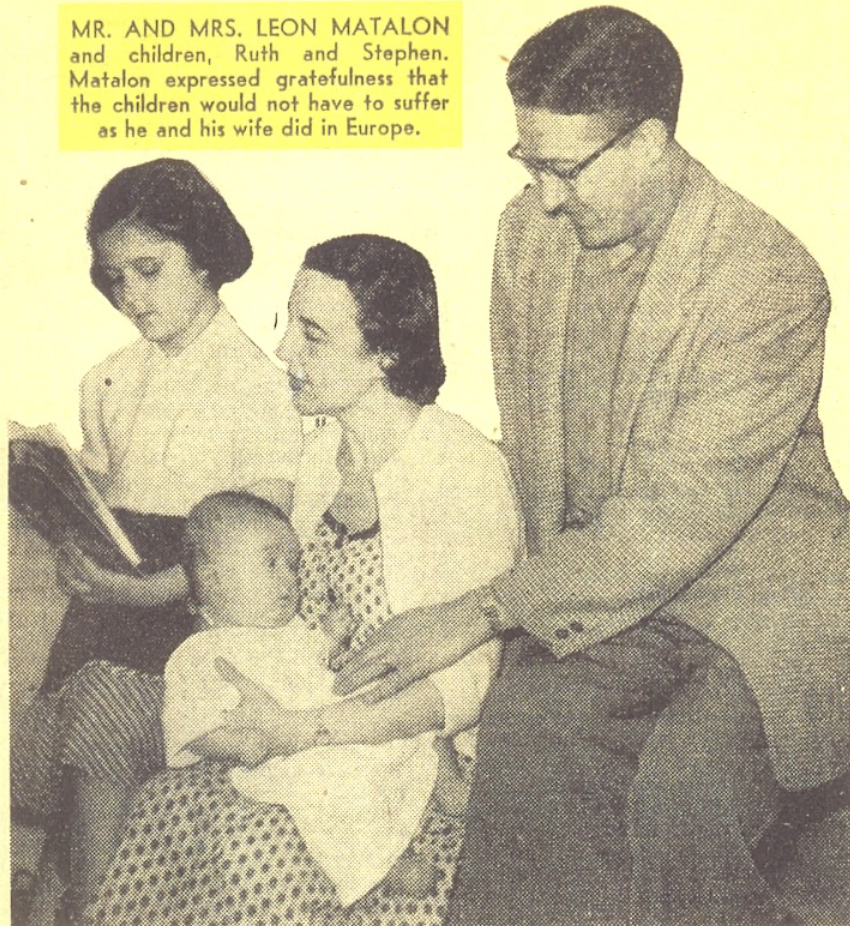
F. Matalon Gallery 15
Leon and Fanny with their two children, Irene and Steve. Seattle Times, 3 July 1955.
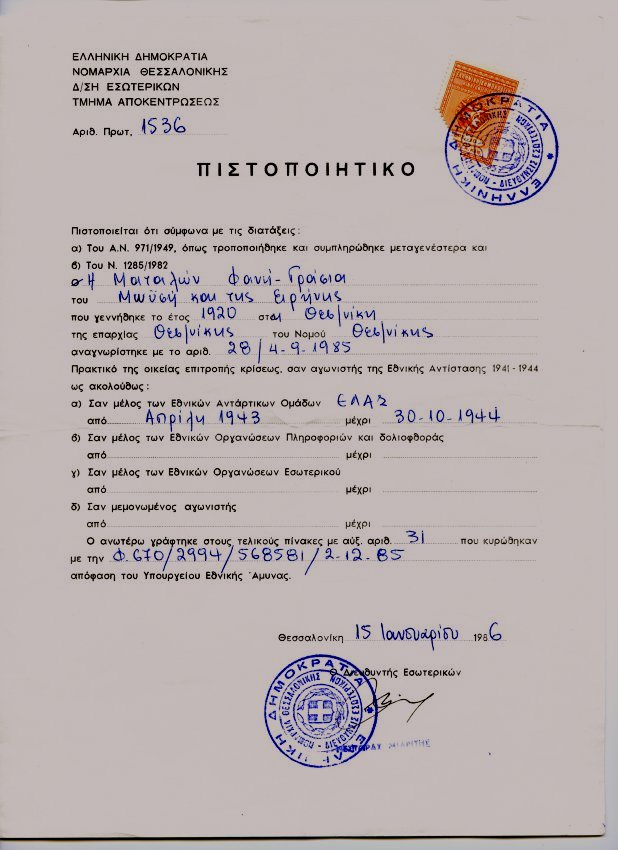
F. Matalon Gallery 16
Fanny Matalon’s Greek National Resistance Certificate, recognizing her service in Greek resistance to occupying Axis forces during WWII. The certificate was issued to Fanny in 1986.
F. Matalon Gallery 17
Two framed Greek Red Cross medals awarded to Fanny for her work as a volunteer nurse in WWII.